The Best Time to Publish Content-Based on What You’re Publishing
Timing isn’t universal. Different content types peak at different moments, from product launches to evergreen guides. This post shows why context beats “best posting time” and how smarter timing can boost engagement and impact.

Most teams still publish content based on a fixed calendar: “post on Tuesday at 10 AM, that’s when the audience is online.” But timing isn’t universal. It depends on what you’re publishing and what effect that content needs to create. When context is ignored, even great content can go unnoticed. This is where the idea of content strategy really begins, timing is part of a bigger picture, not just another task on a checklist.
In this blog, I’ll explain how different types of content have their own ideal publication windows and how better timing can improve results without extra effort.
Key Takeaways
- Timing depends on content type - launches, case studies, evergreen topics, and trend-based content all perform best at different moments.
- Good timing boosts engagement and lifespan - publishing content when interest is highest extends visibility and keeps it relevant longer.
- Sequence matters as much as timing - a clear flow (Awareness → Education → Proof → Conversion) makes content more impactful.
- Internal events shape timing too - launches, campaigns, updates, and sales cycles determine when content will be most useful.
- Create your own timing playbook - map content types, funnel stages, internal events, and seasonality to guide smarter publishing decisions.
Different Types of Content, Different Rules
Not all content behaves the same. Some pieces need to be released at the perfect moment to work well, while others can grow slowly over time. That’s why content timing isn’t a single piece of advice, it’s about understanding context.
1. Product announcements
Product launches perform best when they happen at the right moment. People pay attention when something is happening now, not later. That’s why it’s best to publish these close to the actual launch, coordinated with PR updates and during moments when there is a clear novelty or something genuinely important to highlight.
If you publish too early, people forget. If you publish too late, momentum is already gone. This directly affects your engagement rate, because every product update relies on the audience’s immediate excitement.
2. Case studies
Case studies work best when your audience is having an “aha” moment. The ideal time to publish one is when you’ve recently achieved a success, when a campaign is running in parallel, or when there’s increased interest in a relevant problem.
A case study isn’t as urgent as a product announcement, but it’s powerful in the middle and later stages of the funnel. That means its timing directly affects your conversion funnel, because it builds credibility when people are actively looking for proof.
3. Educational / evergreen content
These are the pieces that circulate for months and years. Timing helps them, but won’t ruin them if you get it wrong. They perform best when aligned with seasonal topics, quarterly planning, and moments when the audience is researching more.
If your audience thinks about planning in January and strategy in September, then publishing content on those topics during those specific months gives you the highest organic reach. This is a classic example of prioritizing audience needs over competitor activity.
4. Trend-based content
This is the most sensitive category. Trend-based content has a very short lifespan and a very fast drop-off curve. If you’re late, you become irrelevant. If you’re early, you might go viral.
Trends require quick reactions, active monitoring of what’s happening in your industry, and recognizing the moment when interest starts to rise.
This directly affects content performance, because how you respond to trends can be the difference between a viral post and one nobody notices.
How Timing Influences Engagement Decay
Every piece of content has its own lifecycle. Some peak on day one, others two weeks later. If you publish at the right moment, you increase the chances that your content lives longer and spreads further.
For example:
- trend-based content: instant spike → fast drop,
- educational blog: slower growth → long, stable lifespan,
- case study: medium growth → longer retention.
This means bad timing shortens the life of your content. Good timing increases content visibility, because the audience sees content exactly when it's most relevant to them.
How Publication Order Shapes the Funnel
Timing isn’t just about “when”, it’s about how the sequence of content influences the funnel. If you publish content in the wrong order, your audience can lose the thread.
Strong sequences look like this:
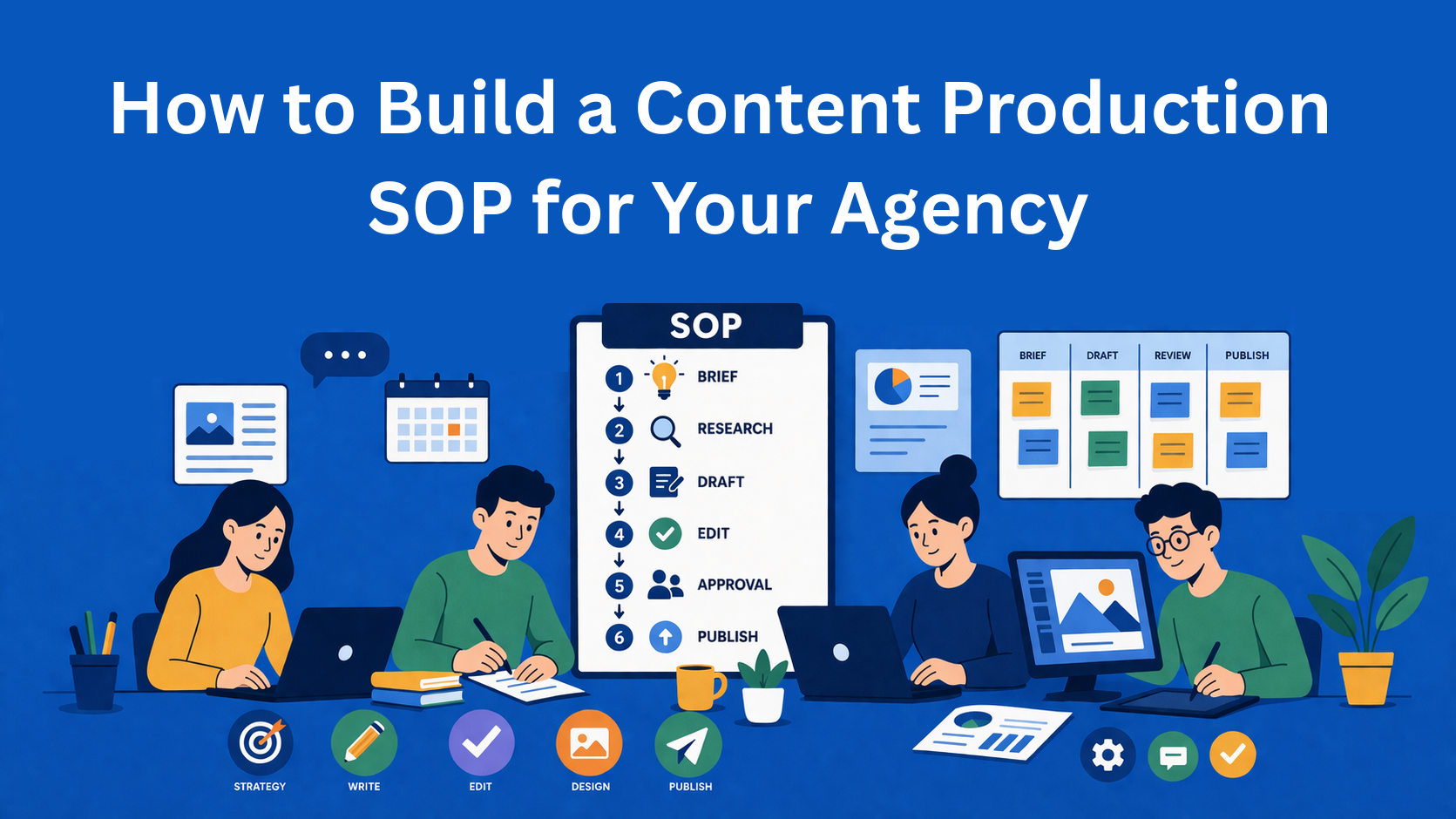
- Awareness → Education → Proof → Conversion
- Trend → Explanation → Case study → Product
If you introduce sales messages too early, your audience won’t have context. If you publish a case study too soon, people aren’t ready to understand it. That’s why content order is one of the key factors in content engagement, because guiding your audience in a clear path can significantly boost results.
Aligning Content With Internal Events
Timing doesn’t depend only on the audience, it's also shaped by what happens inside your company or team. This is an area many content teams overlook, and that’s where a lot of potential is lost.
Launches
There’s a natural rhythm to launch content:
- pre-launch teasing,
- main announcement,
- post-launch education.
If content doesn’t fit this sequence, you lose a big part of your product marketing impact.
Campaigns
Campaigns set the rhythm. Content follows the campaign, not the other way around. If your educational blog comes out after the promotion, the sequence falls apart.
Product updates
Updates should be published when they actually matter to users, not just when the internal team finishes the documentation. This affects customer engagement, because users notice updates only when they solve a real problem.
Sales cycles
In B2B, this is critical. Your audience has periods of high and low interest.
1 End of quarter
At the end of Q1, Q2, Q3, and Q4:
- Teams review targets.
- Managers close deals and chase numbers.
- Decision-makers focus on finishing what’s already in progress.
This is not the best moment for big new ideas. But it is a good time for:
- quick, practical tips,
- content that helps them squeeze more out of what they already have,
- advice that helps boost conversions quickly.
2 Budget planning
This is when companies ask:
“How much budget do we have for the next 6–12 months, and what should we invest in?”
During this period, your audience researches tools, compares vendors, wants case studies and proof i looks for “is this worth it?” content.
This is a perfect moment for:
- case studies,
- how-to guides for planning content budgets,
- calculators, checklists, and decision-making frameworks.
Your timing here can decide whether you get included in their budget, or not.
3 Seasonal slow periods
These include:
- August (in many markets),
- year-end holidays,
- periods when companies slow down.
People don’t read complex content here. But lighter formats work well:
- recaps,
- short tips,
- “save for later” guides.
And internally, this is the perfect time to plan and prepare content for busier months.
Why Watching Competitors Often Hurts More Than Helps
Teams often copy competitor timing, but that’s a bad signal. Their timing depends on their own campaigns, launches, and internal plans.
Copying their rhythm:
- disrupts your plan,
- distracts from your goals,
- weakens your brand momentum.
The rule is simple: optimize for your own funnel, not someone else’s. This also improves your content workflow, because you finally plan from the inside out.
How to Create Your Own “Timing Playbook”
- Categorize your content
Divide it by type: educational, trend-based, case study, product-related.
- Map it to the funnel
Each type has its place: awareness, consideration, conversion.
- Align with internal events
Check your schedule for launches, campaigns, updates, and sales goals.
- Add seasonality
If your audience researches strategy planning in March, that’s when you publish guides.
- Create timing recommendations
Build clear timing rules for each content type, this improves content planning, because your team no longer has to guess.
Conclusion
If you’ve seen publishing as just another box to tick, it’s time to rethink the approach. Timing is just as important as topic, format, or content quality.
When you start planning based on context, not habit, you’ll see different results and a different level of audience response. This isn’t just better planning. It’s the foundation for ensuring every piece of content actually achieves its purpose.