How Associations Can Build a Content Strategy That Serves Their Members
A simple content strategy for associations that drives engagement and growth. Learn how to understand your members, create valuable content, and build a system that works long-term.

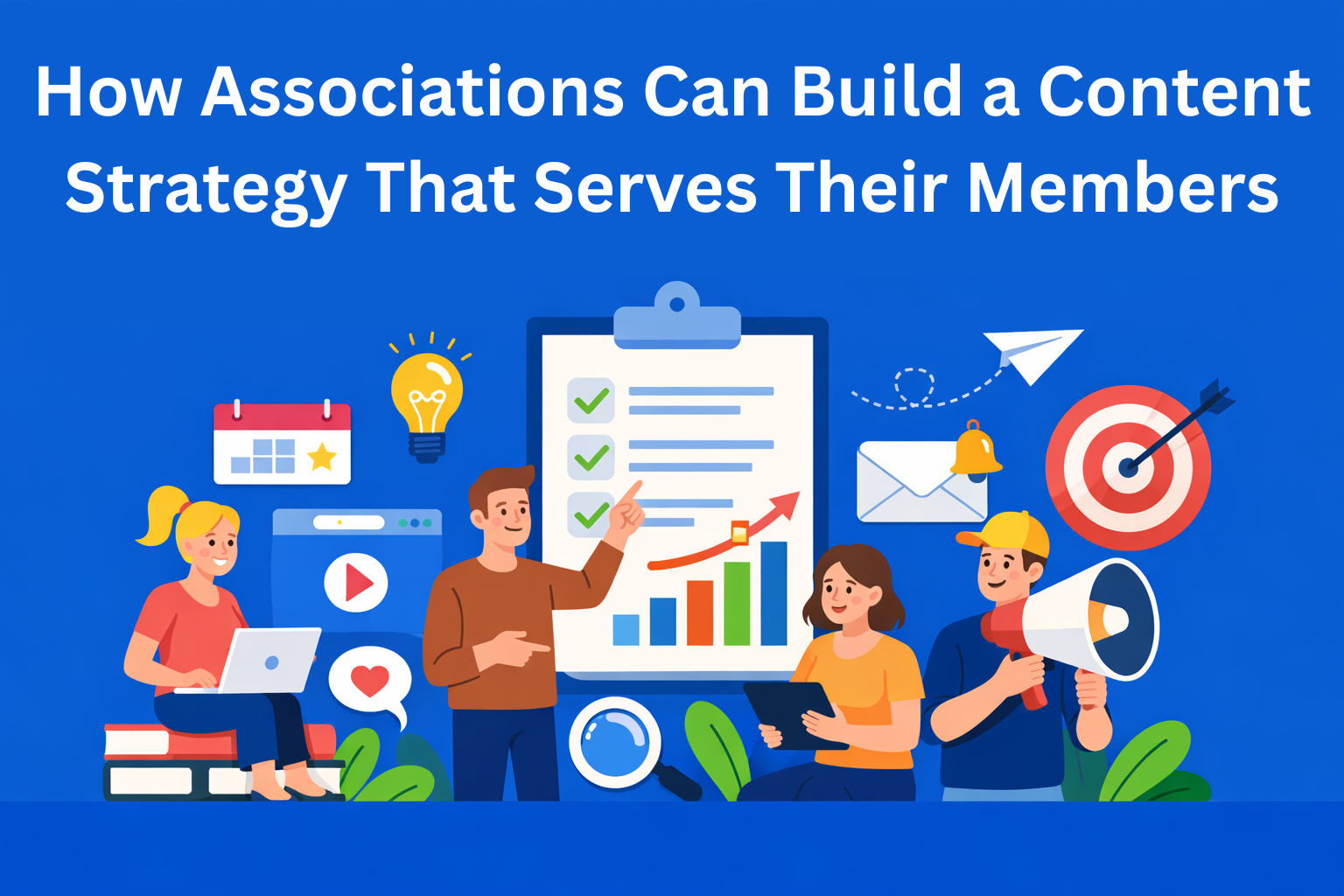
Most associations and professional organizations do the same thing, they publish whenever they find the time, without a plan and without a clear goal. They post something on social media here and there, send a newsletter once a month, and hope that it will be enough. But in the end, members mostly ignore it. There is no system, no real strategy.
A content strategy for associations doesn’t have to be complicated. In fact, the simpler it is, the better. In this blog, we’ll go through all the steps, from start to finish.
Key Takeaways
- Content strategy starts with understanding members - real insights into their challenges and interests shape content that actually gets attention.
- Clear goals give every piece a purpose - content should educate, attract, retain, or position your association, not just fill space.
- Consistency and planning beat random publishing - a simple calendar with topics, owners, and dates keeps everything on track.
- Member involvement creates better and more authentic content - guest posts, interviews, and case studies add real value and expand reach.
- Distribution and measurement drive results - sharing content across channels and tracking engagement ensures continuous improvement.
First, understand your members
Before you write a single word or publish anything, you need to know who you’re talking to. This sounds obvious, but most associations skip this step.
Your members are people with specific problems, questions, and interests. Your job is to figure out what they are struggling with and help them through the content you create.
How do you do that? The easiest way is a survey. Send your members a short questionnaire with questions like:
- "What are your biggest challenges at work?"
- "What topics would you like to read more about?"
- "Where do you usually look for information?"
An even better option is to talk directly to a few members. These conversations give you much more concrete insights than a survey. When you gather that, it becomes clear what people care about, where they struggle, and how you can help them. And that’s where you move forward from.
Set clear goals
Once you know who your members are, the next step is to decide what you want to achieve with your content. Without a goal, what you’re doing won’t make much sense.
Your goals can be, for example:
- Educating members about new laws or industry changes
- Attracting new members
- Retaining existing members
- Positioning your association as a trusted source of information
Your content strategy needs to be tied to these goals. Every article, every post, every email you send should have a purpose.
Choose the right content format
Content doesn’t always have to be text. People don’t all like the same things, some will read a longer article, some prefer short videos, and others will listen to a podcast while driving or doing something else. Here are the most common formats and when to use them:
- Blog posts and articles - great for topics that need more explanation. If you want to explain something complex or cover a topic in detail, a blog is the right place.
- Newsletter - probably the most important tool an association has. It’s a direct line to your members. If you do it right, the newsletter becomes the main hub, where you gather people and guide them to the rest of your content. The key is consistency.
- Webinars and video content - great when you need to show something visually or allow members to ask questions live.
- Podcast - perfect for members who are always on the move. Interviews with experts and discussions on current topics are easy to consume between tasks.
You don’t have to use all formats at once. Start with one or two, get good at them, and then add more.
Create a publishing plan
This is where most people get stuck. Everyone knows they should be publishing, but there’s no agreement on when, who is doing it, and what exactly needs to be done. In the end, it turns into either chaos, or nothing at all.
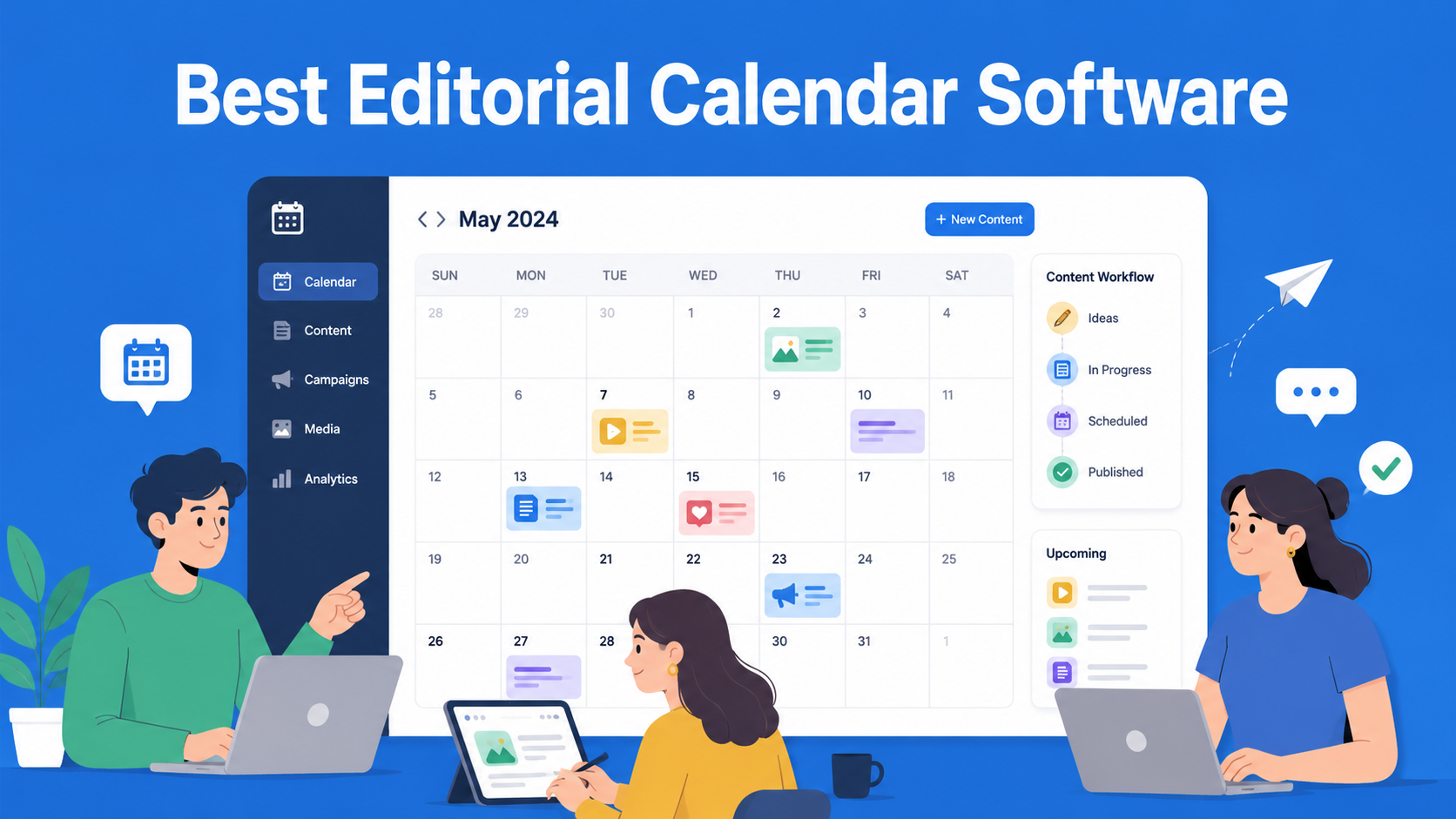
To fix this, you can create a simple list of what you’ll publish, when, and who is responsible. It doesn’t have to be anything fancy, even a basic Excel table works. The important thing is to have an overview and know who is doing what.
- Topic
- Content format
- Publish date
- Owner
...and that’s already a solid starting point. When planning, just look at what’s happening in your organization throughout the year:
- Do you have an annual conference? Start creating content around it a month or two in advance.
- Is membership renewal coming up? Create a series of posts that show the value of being a member.
- Is there a new law or industry change? Be the first to cover it.
Content planning for associations doesn’t have to be complicated. Balance between evergreen content that’s always relevant, like "How to become a member" or "5 benefits of membership", and timely content that follows current events. Both matter.
Involve your members in content creation
This is one of the most powerful things you can do, yet very few associations actually use it. Your members are experts in their field, they have experience, stories, and knowledge that others can benefit from. So why do everything yourself?
Here are a few ways to involve them:
- Guest posts - invite a member to write about something they’re good at
- Interviews - talk to someone with an interesting experience and publish it
- Case studies - show how a member solved a real problem
When you involve members, you get two big benefits.
First, you don’t have to create everything yourself, and you get high-quality, real-world content.
Second, those members will share the content with their network and bring new people to your association. Win-win.
Distribute your content properly
You can write a great piece of content, but if no one sees it, it doesn’t matter. Distribution is just as important as the content itself. Don’t just publish it in one place, share it across multiple channels so more people can see it:
- Email - still king. Send content directly to your members’ inbox through your newsletter. These are people who already want to hear from you, so they’re the easiest to engage.
- Social media - great for reaching more people, but don’t try to be everywhere. Pick one or two platforms where your members are and focus on those.
- Member portal or association website - a place where all your content lives, so people can easily find it. This can also be a platform like EasyContent, where you store everything you create.
It’s important to know that you shouldn’t send the same content to everyone. Some people need the basics, others want more advanced topics. So send the right content to the right people, beginners one thing, experienced members something else.
Measure what works and what doesn’t
A strategy without measurement is just guessing. You need to know if what you’re doing is actually helping. The good news is, it doesn’t have to be complicated. Here are a few simple things you can track:
- Newsletter open rate - how many people open your emails? This tells you if your topic is interesting. You can track this using tools like Mailchimp or Brevo.
- Link clicks - what people actually care about from everything you send. You can also track this in Mailchimp.
- Time on page - longer time means people are reading, shorter time means they leave quickly. You can measure this with Google Analytics.
You don’t need to overthink this. Once a month, just look at the numbers, see what people like and what they ignore. Keep what works. Change what doesn’t. Over time, you’ll naturally improve what you publish. The point isn’t to create a plan and stick to it forever, but to adjust it based on what works.
Conclusion
This really isn’t complicated. You just need to understand who your members are, know what you want to achieve, create content that actually helps them, and do it consistently. And along the way, pay attention to what works and what doesn’t.
If you’ve been doing this without a plan so far, don’t worry, it’s not too late to start. Begin by talking to a few members this week and ask them what they’re most interested in. That’s enough to get going.
Associations that invest in content that truly serves their members don’t just build a library of articles, they build trust. And trust is what keeps people as members for years.
EasyContent keeps every stakeholder sign-off in one visible place
- Route pages through the exact approval stages your organization requires
- External reviewers approve through a free guest account, no paid seat needed
- Track changes records every edit by name, so nothing is anonymous
- A past approval round can be pulled back up in the item's version history