How Small Government Teams Can Implement Content Governance Without Confusion
Learn how small government teams can use simple content governance to organize content, reduce mistakes, speed up approvals, and give citizens clearer, more accurate information without adding extra stress or complexity.


Citizens look for information on the websites of government institutions, municipalities, and public services every day. They want to quickly find accurate data, announcements, deadlines, or documents. But when information is outdated, unclear, or inconsistent across different places, problems start to appear. People get confused, waste time, call public offices for extra explanations, and sometimes even more serious mistakes can happen. That is why content governance matters. It is a simple way for a team to organize content, clearly understand who checks what, and reduce the stress around publishing.
In small government teams, a few people often handle many different tasks. The same person may write news updates, answer emails, and update the website. That is why content governance should not be complicated. It should be a simple system that helps the team work faster, make fewer mistakes, and organize content more easily.
In this blog, I will show you how to do that step by step.
Key Takeaways
- Content governance helps small teams stay organized and accurate - clear rules reduce confusion, mistakes, and outdated information.
- Simple systems work better than complex frameworks - a few clear guidelines and roles are enough to improve everyday content management.
- Defined roles and responsibilities save time - knowing who writes, reviews, and approves content eliminates delays and uncertainty.
- Regular content reviews keep information reliable - updating outdated pages and setting review cycles improves trust and usability.
- Gradual implementation leads to long-term success - starting small and improving over time makes governance easier to adopt.
Why small public sector teams struggle with content
In small government teams, one person often does several jobs. Someone writes news updates, someone changes information on the website, and someone answers citizens’ questions on social media. The problem is that rules often change, deadlines are short, and there are not enough people. When there are no clear rules for content, things can quickly become messy.
Old information can then appear on the website, messages can sound different from one place to another, and mistakes can cause public reactions. Citizens can lose trust because they are not getting clear and accurate information. That is why content governance is not something extra or unnecessary. It is a way for the team to work more calmly, more clearly, and with fewer mistakes.
Large and complicated systems usually do not help here. Small government teams do not need long manuals and too many rules. They need a simple approach they can use right away in their everyday work.
Basic principles of easy content management
Content governance in small teams should be simple. You do not need fifty rules that no one will have time to read. It is enough to have five or six clear guidelines that everyone on the team understands. The most important thing is for the content to be accurate, clear, accessible to everyone, and aligned with the law.
It is important that everyone on the team understands why this is being introduced. The point is not for someone to constantly check every step or create extra work for people. The point is to make the work easier, reduce mistakes, and help citizens find accurate information more easily. In the public sector, this is especially important because content should be clear, accessible to everyone, and written in a way that people can easily understand. If needed, it should also be prepared in multiple languages.
Step by step: How to introduce content governance
Step 1: Decide what you want to achieve. Start with the basic questions. Which content is most important to you? Where do mistakes most often happen? What do citizens search for or ask about the most? Then quickly review what you already have. Look at the most important pages on your website, Facebook posts, and documents you often share. Write down what is outdated, what is still good, and what needs to be fixed. You do not need to turn this into a large project. It is enough for the team to set aside a few hours and do the first review.
Step 2: Create minimal rules. Create a short writing guide. It does not have to be long; one or two pages are more than enough. In it, write how the text should sound, which words are good to use, which words should be avoided, and how headings should look.
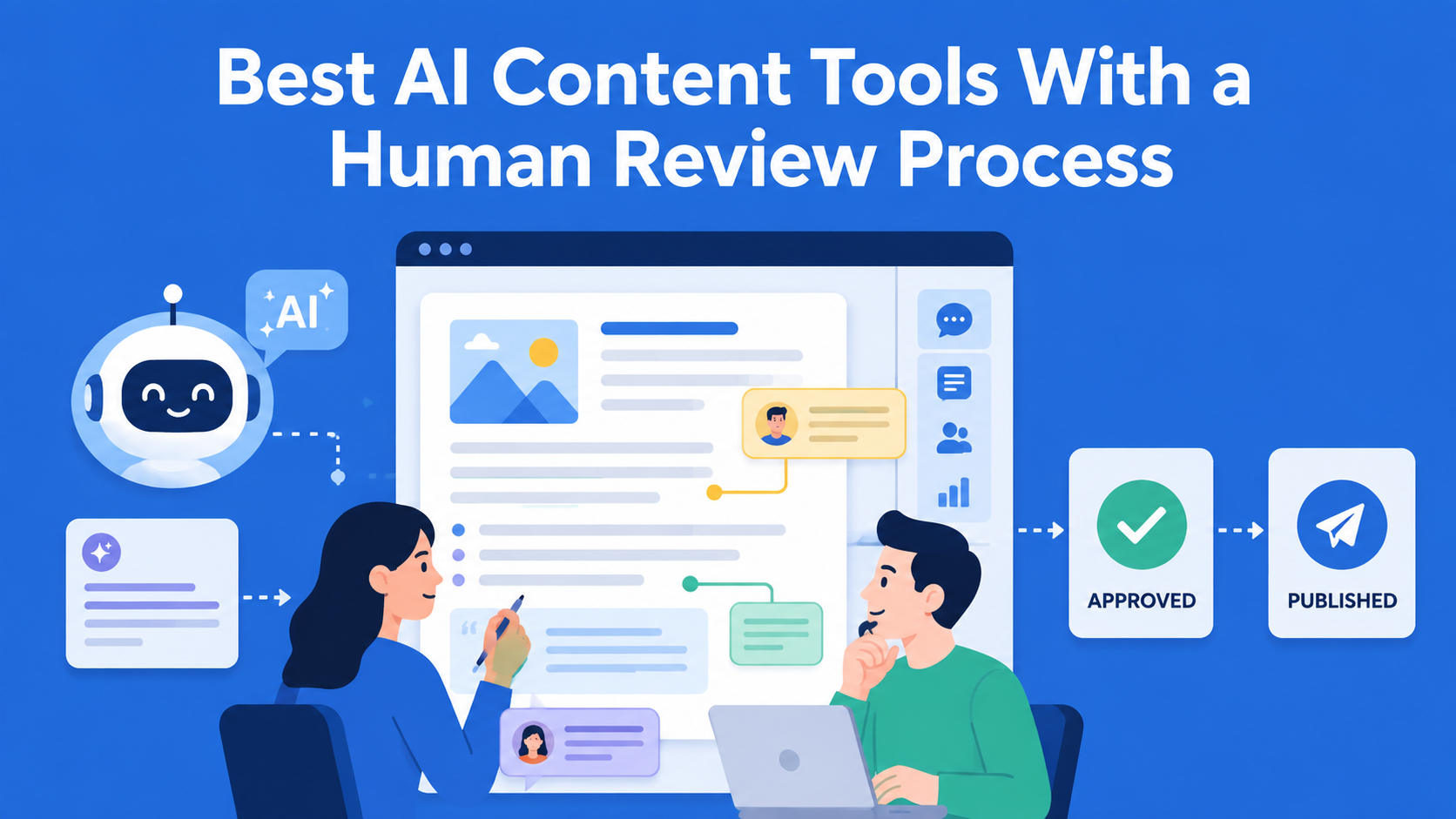
Then, agree on how the content will be checked before publishing. Keep the process as simple as possible. For example, one person writes the text, another checks whether the information is accurate, and a third person says that the text can go online.
You do not need five different checks for every post. That only slows the team down and creates extra pressure. The most important thing is that everyone knows their part of the work: who writes, who checks, and who gives the final approval.
Step 3: Assign roles. Even in a small team, a RACI table can be useful (Responsible, Accountable, Consulted, Informed). For example:
- Who writes news updates?
- Who checks the accuracy of the information?
- Who updates old content?
When roles are clear, less time is wasted on asking “who is going to do this?”
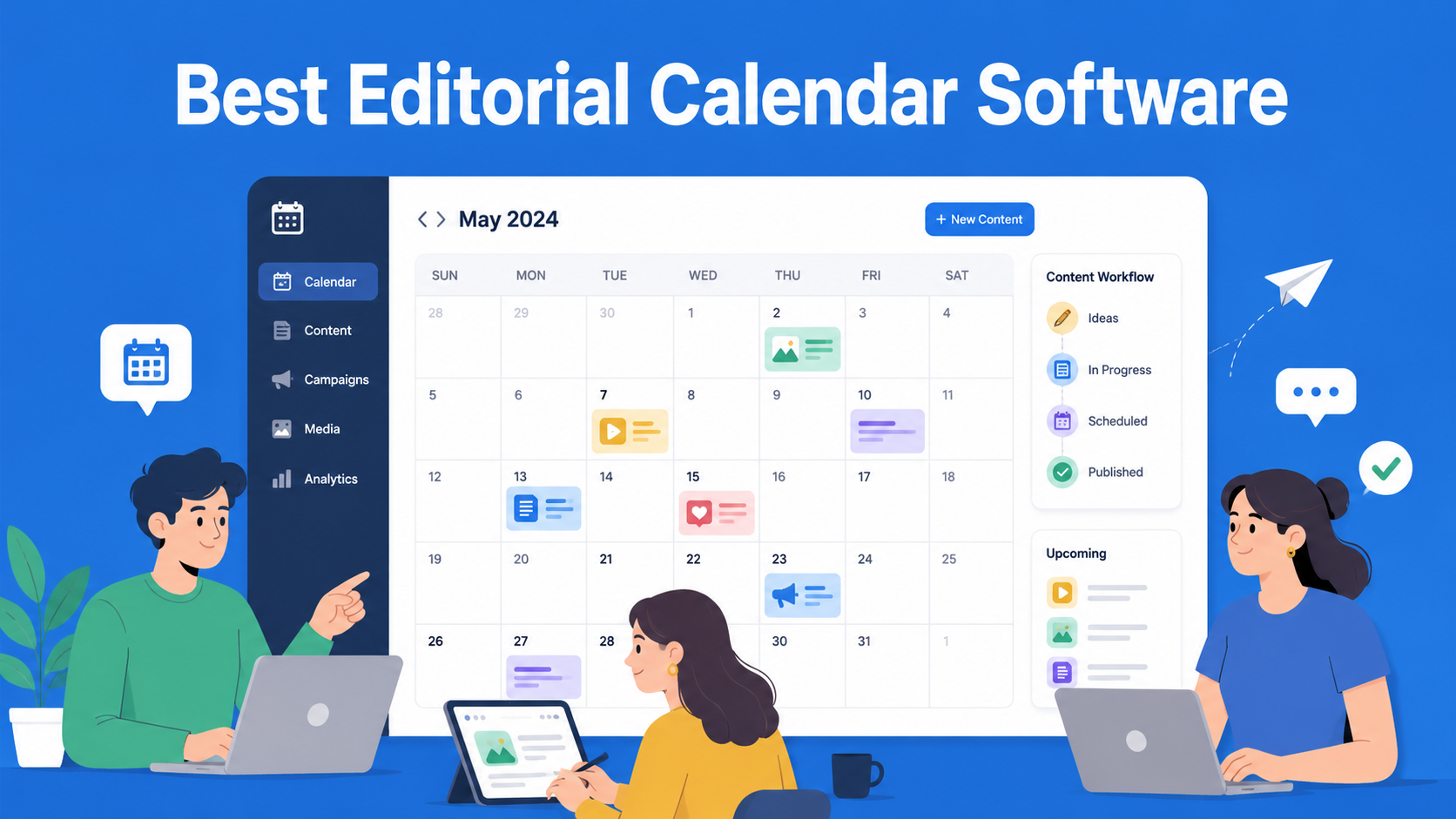
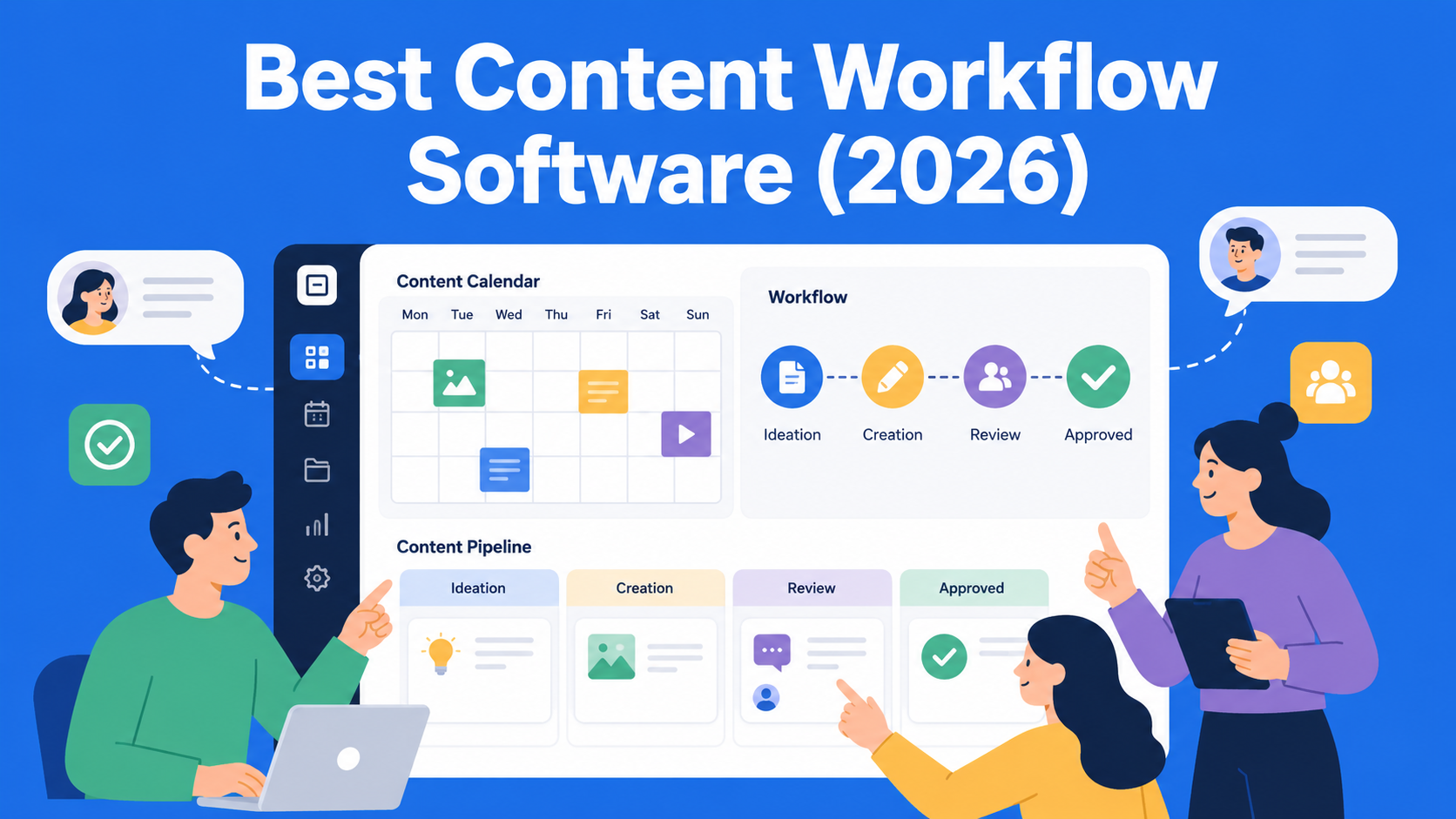
Step 4: Choose simple tools. You do not need expensive software. Start with what you already have: Google Drive or Microsoft 365 for sharing documents. And if you want something more advanced, EasyContent is a great tool, where you can create your own workflow, assign roles and permissions to every team member so everyone knows exactly what they need to do. Create templates for any type of content you are working on, build a content calendar for publishing content, communicate in real time with team members inside the platform, etc.
Step 5: Introduce simple processes. Create a template for new texts (title, subtitle, key information, contact). Introduce a regular “content cleanup day”, for example, once every three months, the whole team reviews the most important pages. Add an expiration date to important information to remind you when it needs to be checked.
Step 6: Train the team. You do not need major training. A short one-hour workshop is enough to go through the rules and show examples. Choose one person to be the “champion”, the person who helps others and follows how everything is going.
Common mistakes to avoid
One of the most common mistakes is that the team creates too many rules right away. Then everything becomes tiring, people get confused, and they quickly give up. Start with a few basic rules, and later add new ones if you see that they are really needed.
Another common mistake is that the team focuses only on new content and forgets what has already been published. This can be a problem, especially in the public sector. If the information on the website is old or inaccurate, citizens can get confused or make the wrong decision.
It is also good for leadership to understand why this way of working is useful. At the beginning, show them that content governance is not just another extra task. On the contrary, it helps the team save time, reduce mistakes, and publish content more easily.
Also, when a new person joins the team, do not leave them to guess how things work on their own. Briefly explain the rules, show them where the documents are, and explain who checks what. That way, the new team member can settle in faster, and the work continues without delays and confusion.
How to measure whether it works
You do not need complicated analysis to see whether the system is helping. It is enough to look at a few simple things from time to time:
- How much faster does it go from idea to publication?
Look at how much time passes from the moment someone suggests a topic to the moment the content is published. If that time is getting shorter, it means the team is working in a more organized way and the process is no longer getting stuck at every step. - Are there fewer mistakes or complaints?
Track whether it happens less often that you need to correct posts after they have already been published. If there are fewer mistakes, fewer calls, fewer complaints, and fewer later changes, that is a good sign that the rules are working. - Is most of the content updated?
Look at how many pages, documents, and important pieces of information have been checked and refreshed. When more content is up to date, citizens can find accurate information more easily, and there is less chance that something will confuse them. - Is the team under less stress?
Talk to the people on the team and ask them whether it is now easier for them to work. Also ask whether they better understand what their task is and what is expected of them. If there is less rushing before publishing, fewer urgent corrections, and fewer misunderstandings, that is a good sign. It means the system is helping the team work more calmly, more clearly, and in a more organized way.
Once or twice a year, set aside a little time and look at what can be improved. Check whether the rules are still helping the team or whether they need to be changed a little. Content governance is not something you create once and then forget. It is a system that adapts over time as the team, responsibilities, and citizens’ needs change.
Conclusion
Content governance for small government teams does not have to be difficult or complicated. In simple terms, it is about the team having clear rules, making fewer mistakes, and having more time for the real work. To start, it is enough to review the content you already have or write a short writing guide. Even small steps can quickly make a big difference.
When the team knows who does what, who checks information, and when content can be published, everything becomes easier. There is less waiting, fewer corrections, and less stress. Citizens then get clearer, more accurate, and more useful information, and that is what every public service should provide.
If you work in a small team and want to bring more order to your content, start slowly. You do not have to solve everything at once. Start with one simple rule, one content review, or one better approval process. When you see what helps, you can easily expand it and adapt it to your team.
EasyContent keeps volunteer and contractor contributions organized
- Contributors submit their work through structured briefs
- Roles keep a contributor's access limited to what they're assigned
- Mentions route feedback to the right person automatically
- A mailbox keeps in-app messages separate from your regular inbox