How to Build a Content Operations Framework: People, Process, and Technology
Learn how to build a content operations framework that connects people, processes, and technology. Discover how better organization, clear workflows, and the right tools can help your team create content faster, reduce stress, and improve content quality.

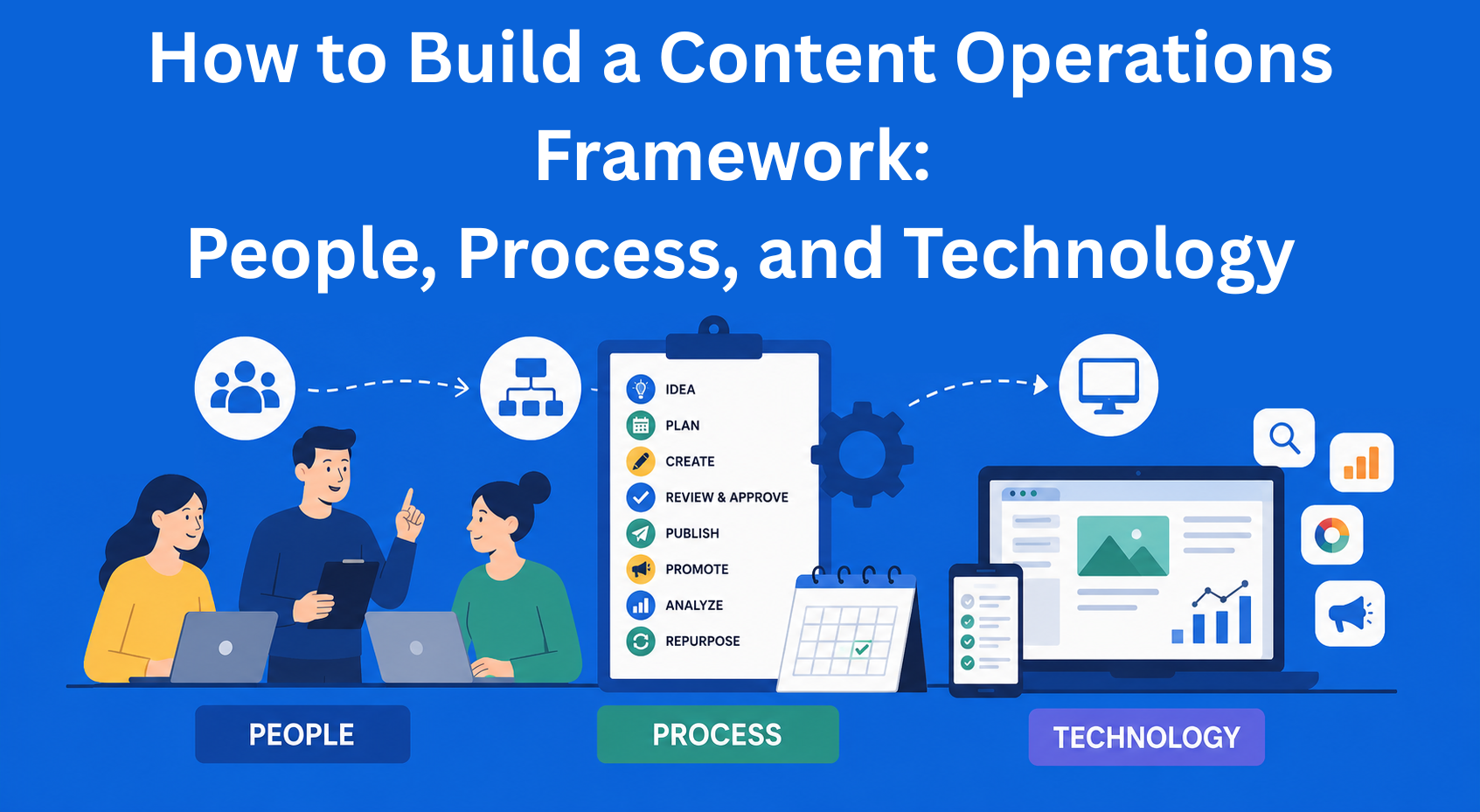
Creating content today is much harder than it used to be. Companies publish blog posts, social media content, videos, emails, and much more. But without a good system, tasks start repeating, deadlines get delayed, and the team becomes exhausted. That is why more and more companies are building a content operations framework - a simple system that connects people, processes, and technology.
This framework helps you do less manual work while producing more high-quality content. In this blog, I will explain everything step by step.
Key Takeaways
- A content operations framework connects people, processes, and technology - without this system, content becomes inconsistent, slow, and difficult to manage.
- Clear roles and responsibilities improve team efficiency - defining ownership ensures everyone knows what to do and reduces confusion.
- Structured processes make content predictable and scalable - a defined workflow from idea to publishing keeps production consistent and efficient.
- Technology should support the workflow, not complicate it - the right tools help teams move faster and stay organized.
- Building the system step by step leads to long-term success - starting simple and improving over time creates a sustainable content operation.
Why do you need a content operations framework?
Imagine building a house without a plan. One worker is doing the foundation, another is painting the walls, and nobody knows who is responsible for what. In the end, everything takes longer and costs more. The same thing happens with content.
Without a system:
- People end up doing the same tasks twice
- It is not clear who is responsible for what
- Content quality constantly goes up and down
- The team burns out quickly
When you create a good system for organizing content, the entire workflow becomes much easier. Content gets published faster, the team experiences less stress, and everyone has a clearer understanding of what they need to do. That is why more companies are adopting this way of working today.
People - the heart of the entire system
The first pillar is people. Without the right people, there is no success, even if you have the best tools.
In a smaller team, one person can handle multiple roles. In a larger team, responsibilities should be clearly divided:
- Content strategist - decides what content will be created and why
- Writers and creators - create articles, videos, and visuals
- Editor - checks quality and consistency
- SEO specialist - helps people find your content online
- Analyst - looks at the numbers and explains what works and what does not
It is important that everyone knows exactly what they are supposed to do. The best approach is to create a simple table called a RACI matrix where you define who is responsible, who helps, who needs to be consulted, and who gives final approval.
A strong team also knows how to collaborate with sales and product teams. They understand customer problems better than anyone else. When everyone communicates, the content becomes useful instead of just looking good.
You do not need to hire ten people immediately. Start with the people you already have and slowly add new roles as your company grows.
Processes - how to keep everything running smoothly
A process is like a recipe for a good cake. If you follow it, the result turns out well every time.
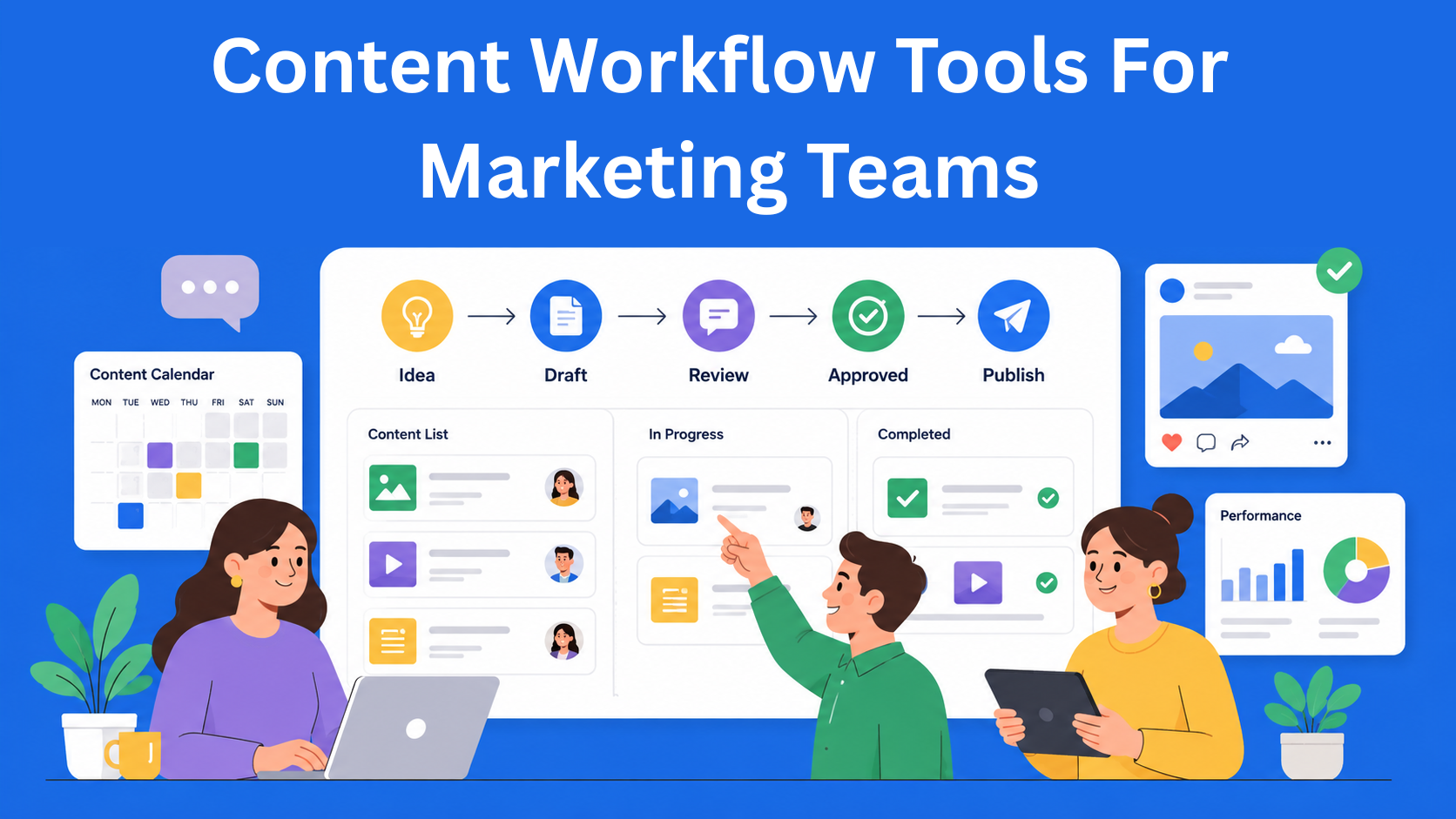
The basic content lifecycle usually looks like this:
- Idea generation
- Planning and brief creation
- Content creation
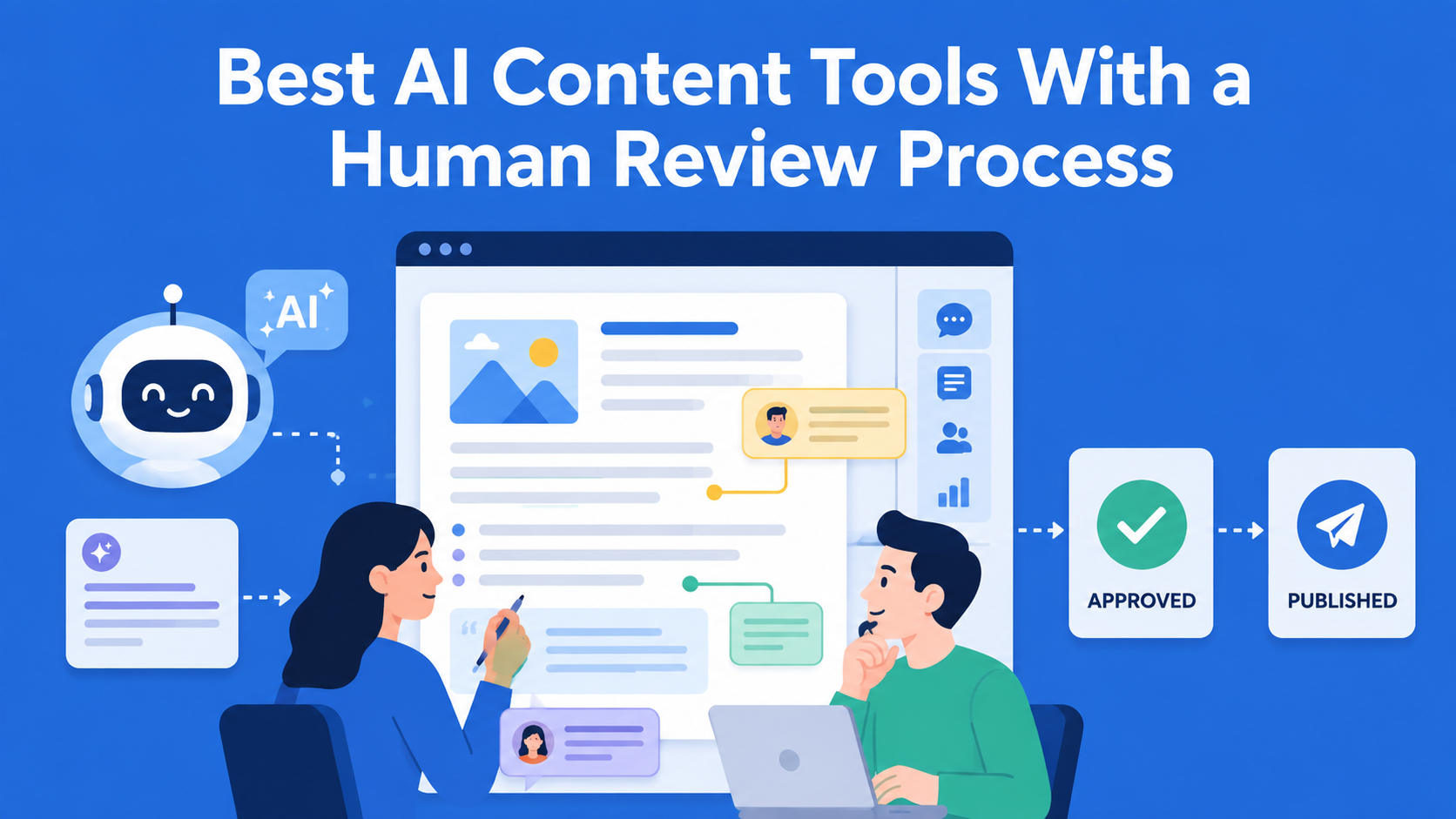
- Review and approval
- Publishing
- Promotion
- Performance tracking
- Repurposing
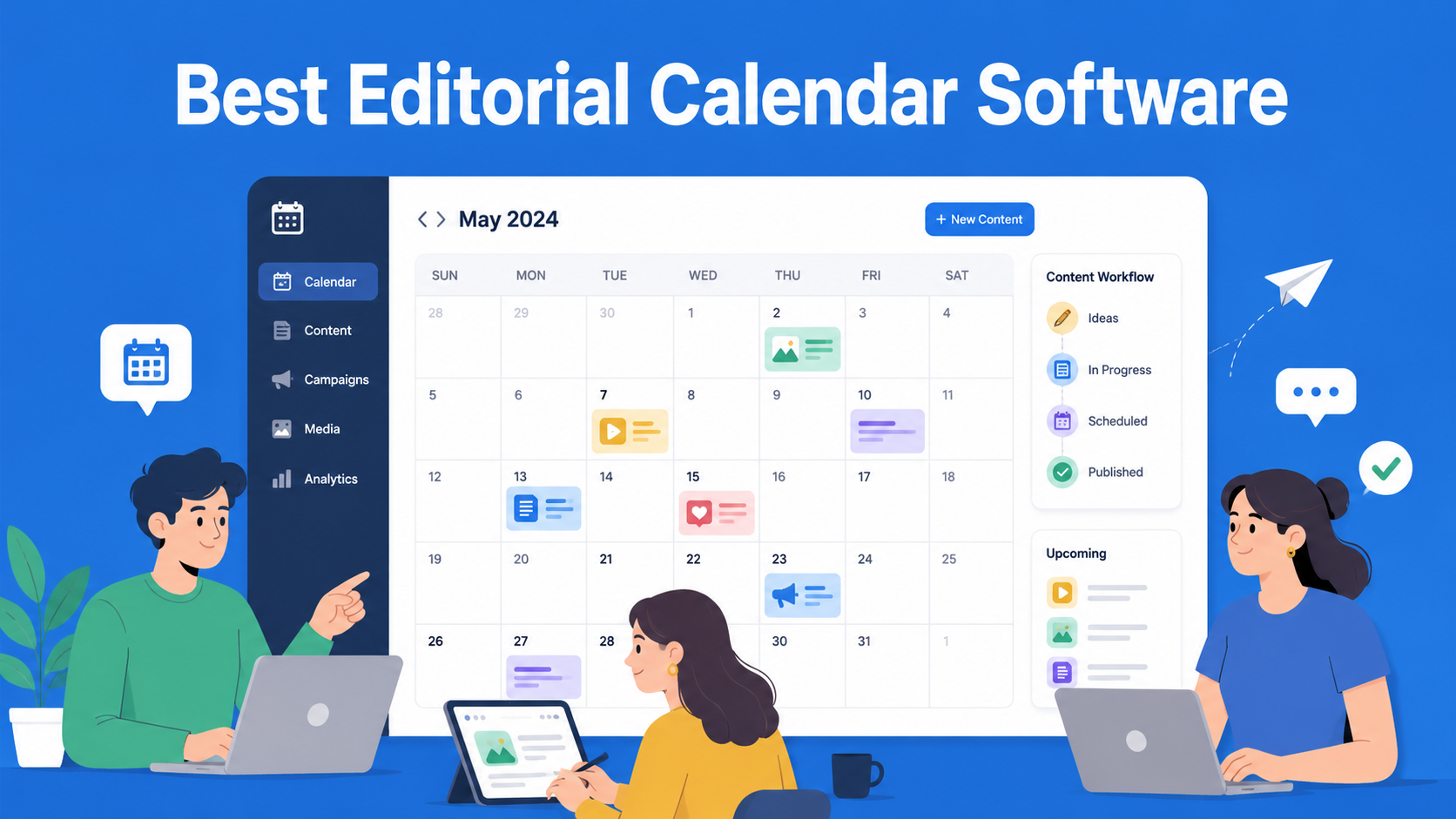
Create a simple editorial calendar - a calendar that shows what content gets published and when. Every piece of content should also have a short brief with the topic, target audience, key messages, deadlines, and responsibilities.
The process should be clear, but not too rigid. Many teams use an agile approach - they work in short two-week cycles and regularly meet to discuss what can be improved.
When processes exist, less time gets wasted on questions like “What should we do next?” and “Who needs to approve this?”.
This is exactly where a content operations framework shows its value - it turns chaotic work into a predictable system.
Technology - tools that make work easier
Technology is not there to replace people. It is there to help them work faster and better.
Here is the basic set of tools that most teams use:
- For organization: EasyContent, ClickUp, or Airtable
- For writing and brainstorming: ChatGPT or Claude
- For SEO: Semrush or Ahrefs (or free alternatives)
- For design: Canva
- For analytics: Google Analytics 4
- For social media publishing: Buffer or Meta Business Suite
You do not need to buy everything immediately. Start with 2-3 tools and connect more tools later. For example, if you choose EasyContent, you can integrate it with many other tools such as Figma, WordPress, Jasper, Grammarly, Writer, and Zapier. This allows your team to manage everything from one place.
Tools should support the process, not make it more complicated. If your team spends more time learning a new tool than creating content, something is wrong.
How to connect people, processes, and technology
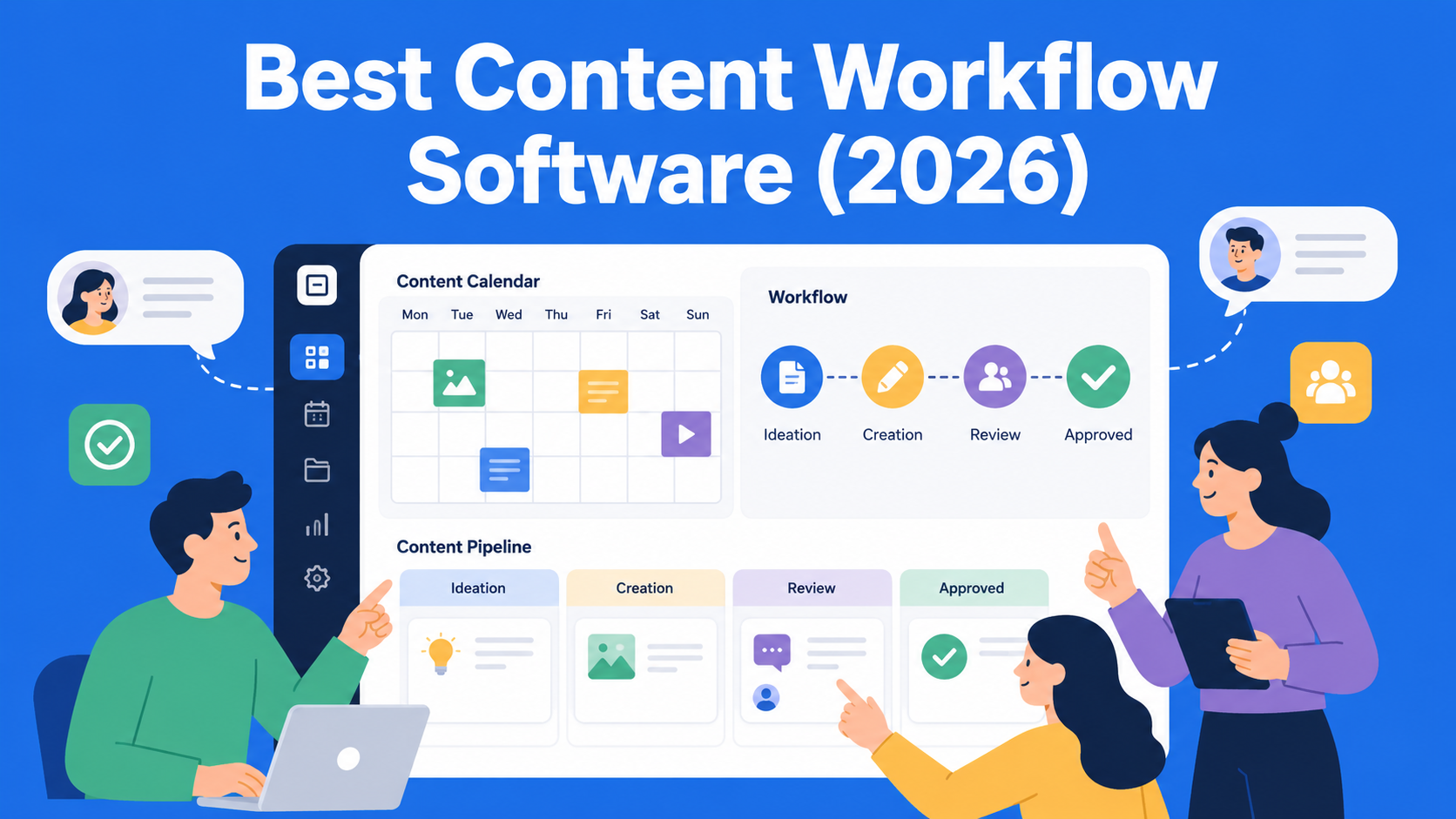
This is the most important part. When people, processes, and tools work together properly, the entire content workflow becomes much more organized and easier to manage.
Start like this:
- First define your team and responsibilities
- Then create the basic processes
- Finally add tools that support those processes
You can create a simple three-month plan. In the first month, introduce a calendar and content briefs. In the second month, add analytics. In the third month, optimize the things that are not working.
Track simple metrics: how long it takes to create one article, how much content you publish every month, and whether that content brings visitors or customers.
Conclusion
A content operations framework is not something overly complicated. It is simply a way to better organize your people, tasks, and tools.
You do not need to fix everything immediately. Start step by step and improve things over time.
You can create a simple plan today - write down who is responsible for what in your team and what the next tasks are. That alone is already a good start.
When everyone understands their responsibilities and there is a good system in place, the entire workflow becomes much easier and faster.
EasyContent keeps a large asset library organized by project
- Folders and search make thousands of files findable without a shared drive
- Every asset stays isolated to the project it belongs to
- Sorting by upload date, name, or size keeps the library manageable
- Every asset shows who uploaded it and when