Content Management for Nonprofits: Doing More with Less
Content management for nonprofits doesn’t have to be complicated or expensive. Learn how to plan smarter, repurpose content, and reach donors, volunteers, and your community with limited time and resources.

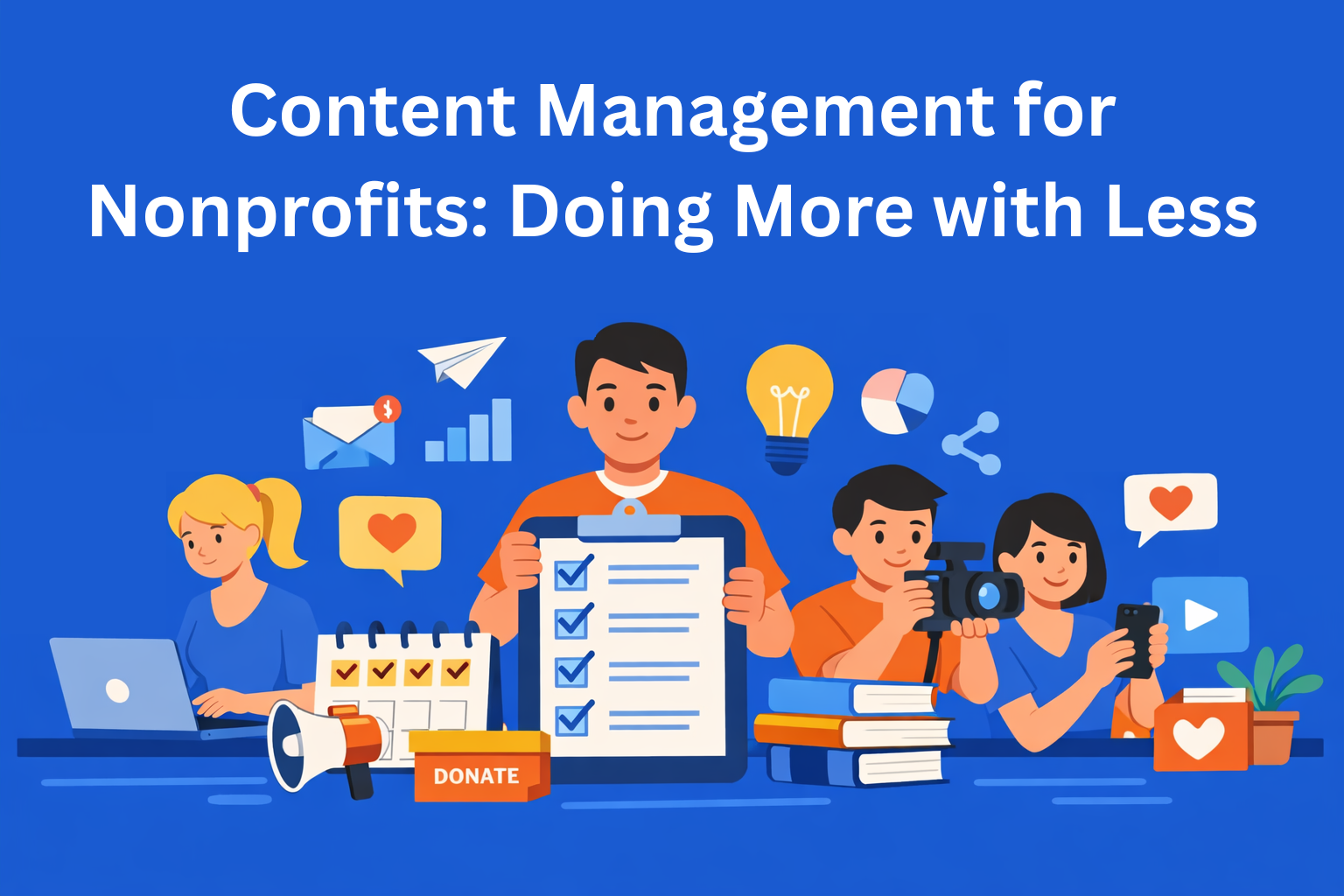
If you work in a nonprofit organization, you probably know what it looks like when one person does the work of three. A small team, a limited budget, and high expectations. You need to write social media posts, send newsletters, update the website, prepare reports for donors... all on top of an already packed schedule.
Content management for nonprofits is not a luxury - it is a tool that helps your message reach the right people without spending money you don’t have. In this text, we will go through everything you need to know - from what you actually need, to how to do more with less.
Key Takeaways
- Nonprofits need focused content strategies, not more content - limited resources require prioritizing what truly matters for each audience.
- A simple and realistic plan beats ambitious but unsustainable efforts - consistent, manageable publishing creates better long-term results.
- Repurposing content multiplies impact - one strong piece can be adapted into multiple formats across channels.
- Community-driven content is the most powerful - stories from volunteers and beneficiaries build trust and authenticity.
- Track simple metrics and improve continuously - basic insights from traffic, email, and engagement help refine your approach over time.
What content do you actually need?
Before you start writing and publishing anything, you need to know who you are writing for. Nonprofit organizations have multiple audiences at the same time: donors who fund the work, volunteers who help on the ground, beneficiaries who receive your services, and the wider public that needs to hear about you.
Each of these groups wants different information. A donor wants to know how money is being spent and what impact it has. A volunteer wants practical information on how to get involved. A beneficiary wants to know how to get help. When you know who your readers are, it becomes much easier to decide what and how to write.
Before you create a plan, we recommend reviewing the content you already have. Look at old posts, website pages, emails you have sent. What worked well? What is outdated? Content management starts with understanding what already exists.
A plan you can actually follow
Many organizations create a grand plan at the beginning of the year - posting every day, three newsletters per month, a podcast, video... and then everything stops by February. Why? Because the plan was not realistic.
It is better to publish one quality piece of content per week than five shallow ones. When creating a content plan for nonprofits, start from how much time you actually have. If you only have two hours per week for content, plan for two hours.
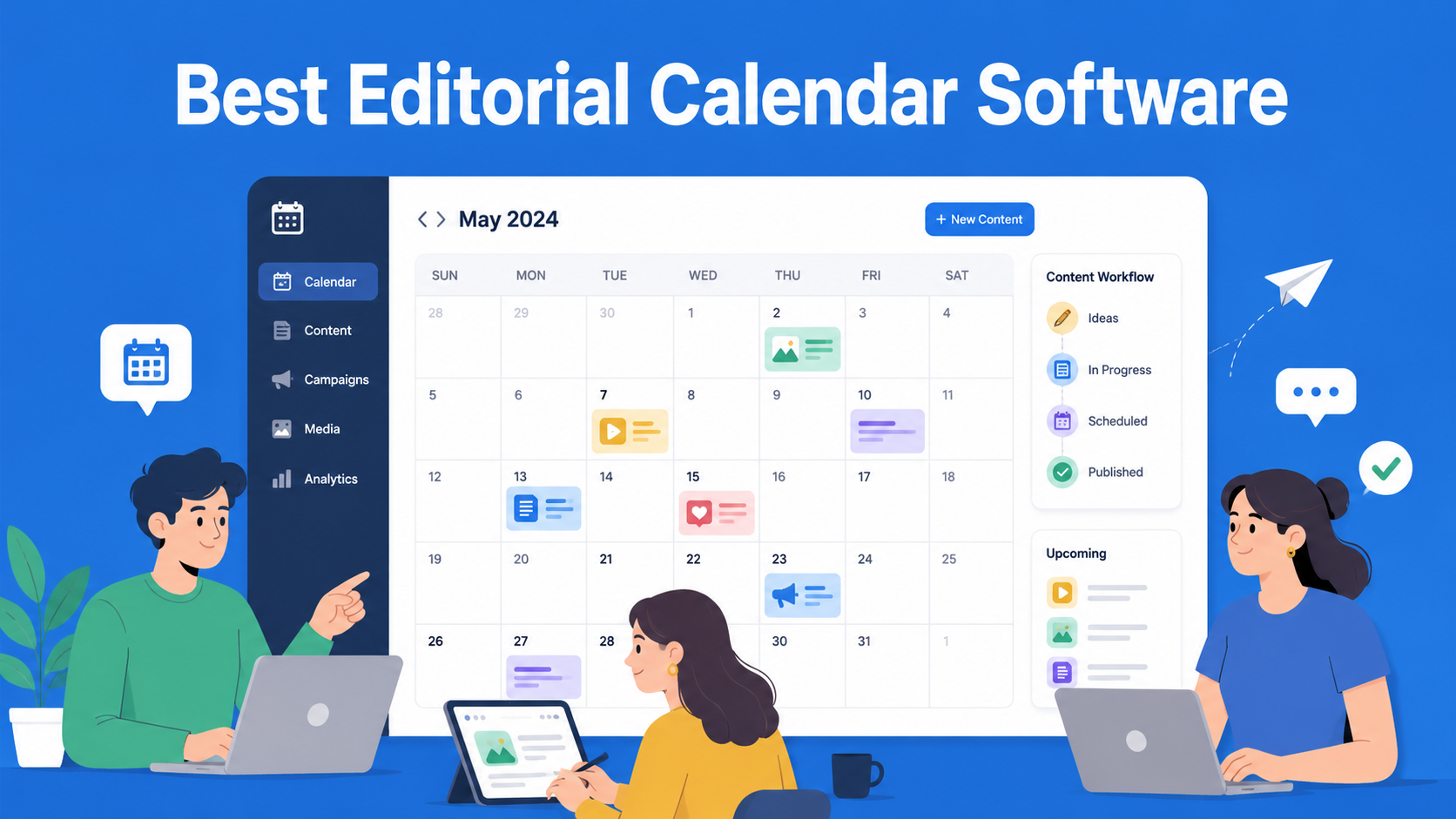
Create a simple calendar - it can be in Excel or Google Sheets. Add topics for the next month or two, assign responsibility (who writes what), and set deadlines. Focus on evergreen content - these are pieces that do not become outdated quickly and will still bring you readers a year from now. For example, an article like "How to Become a Volunteer" will still be useful next year.
Tools that don’t cost much
The good news is that you don’t have to spend a lot of money on tools. There are many free and affordable options that work perfectly for smaller organizations.
For website content management, WordPress is still unmatched – it’s free, easy to use, and has thousands of free plugins. If you need something even simpler, Notion or Google Sites are great options.
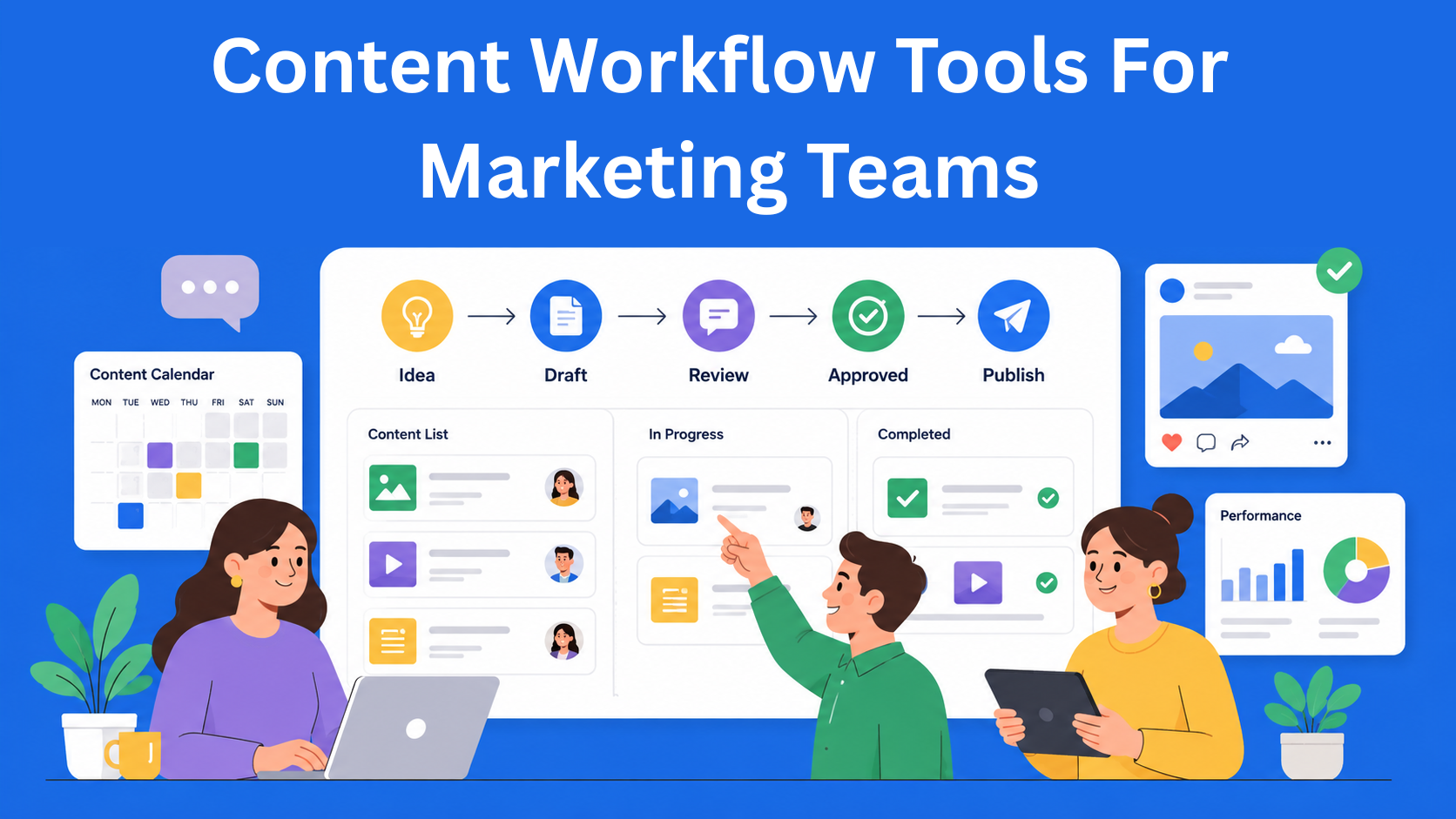
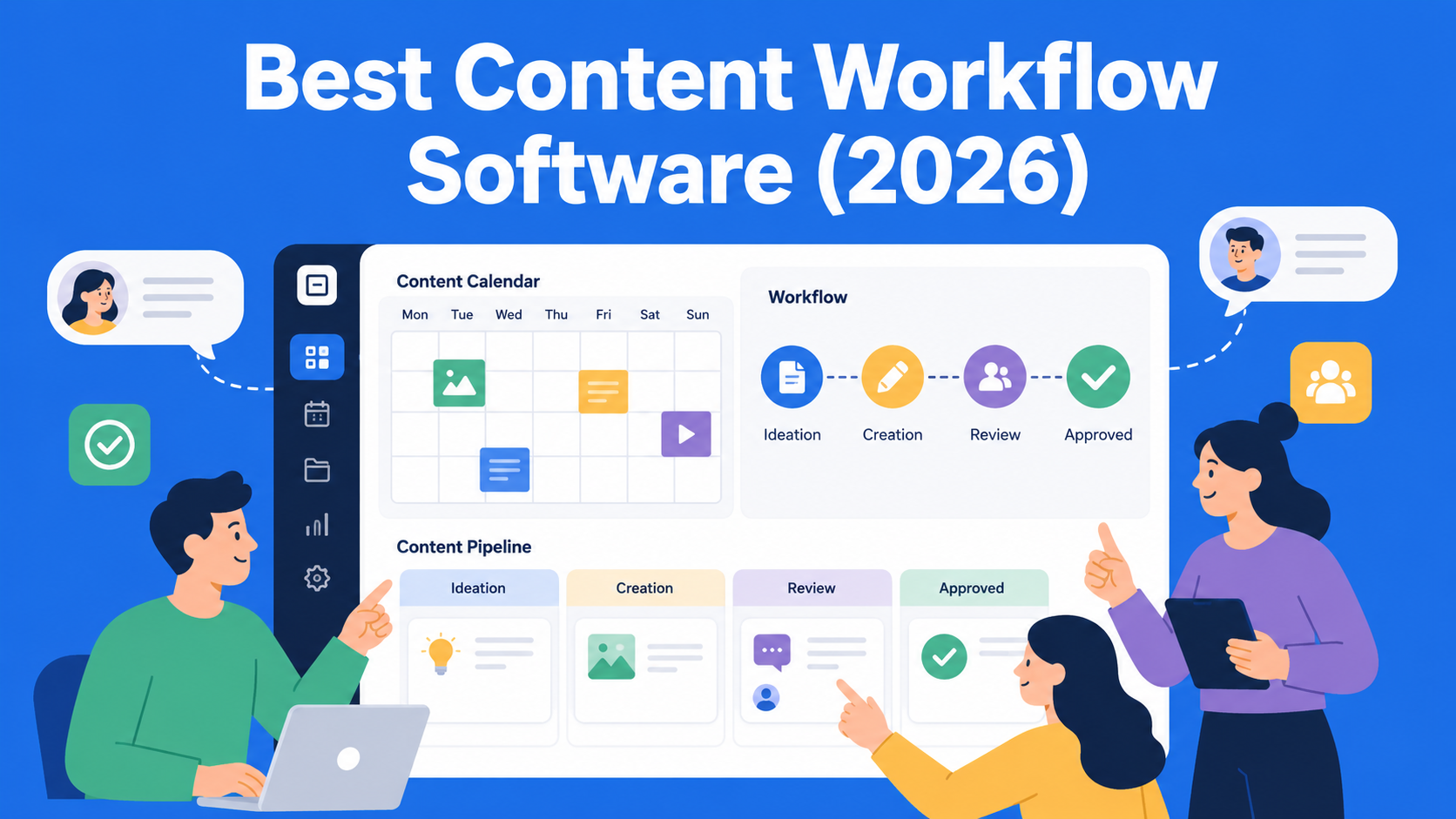
For planning and teamwork, Trello and Asana offer free versions that are more than enough for a small team. If you need something more advanced, you can use EasyContent, which offers more suitable features and discounts for nonprofit organizations. You can also track deadlines, see who is doing what, and organize ideas in one place.
For visuals, Canva is a tool that has changed the game for nonprofit organizations. There are ready-made templates for everything – from Instagram posts to posters and presentations. The tool is intuitive and does not require any prior design experience.
There are also AI tools – ChatGPT, Claude, and others – that can help you write faster, come up with headlines, or adapt content for different channels. They don’t replace your voice, but they significantly speed up the process.
One piece of content, ten uses
This is probably the most useful advice in this entire text: you don’t need to create new content for every channel. One well-written piece of content can be turned into ten different assets.
For example, if you wrote a blog post about how you helped 500 families last year, you can turn it into:
- A shorter post for Facebook and Instagram
- An infographic with key numbers
- A section in your newsletter
- A part of your annual report
- A short video or reel with a quote
- An email campaign for donors
This is called content repurposing - and it is the superpower of any organization that does not have a large team. Instead of starting from scratch every time, you take something that already exists and adapt it to different formats and channels.
The same principle applies to older content. A text you wrote two years ago may still be relevant - you just need to update it with new data and publish it again.
Your volunteers and beneficiaries are your content
One of the biggest mistakes nonprofit organizations make is thinking they have to write everything themselves. In reality, the most powerful content comes from the people you support or work with.
A volunteer’s story about why they joined your work - that is authentic content that cannot be bought. A beneficiary’s experience of receiving help in a difficult moment - that is something that will motivate potential donors more than any marketing campaign.
Ask people to share their experiences. Create a short survey, record a short conversation, or simply ask someone to write a few sentences. With permission, you can use these stories on your website, social media, and newsletters.
This approach has a double benefit: you get valuable content without extra work, and you strengthen the sense of community within your organization. Content created by your community and users is far more convincing than corporate-style posts.
How do you know if what you are doing is working?
You don’t need to be an analyst to track results. It is enough to follow a few basic things:
How many people read your content? Google Analytics is free and gives you all the basic data about website traffic. You will see which pages are the most popular, where readers come from, and how long they stay.
How do people respond to your emails? Every email tool (Mailchimp, Brevo, and others) shows open and click rates. If 30% of recipients open your email, that is a good result. If it is below 15%, something needs to change - maybe the subject line, maybe the sending time.
What is happening on social media? Track likes, comments, and shares - but more importantly, track whether your follower count is growing and whether people respond to your calls to action. Measuring content performance does not have to be complicated - choose two or three metrics that matter to you and track them regularly.
Mistakes to avoid
Some mistakes are so common that they are worth highlighting.
Trying to be everywhere at once - Many organizations create profiles on every possible platform and then fail to manage any of them properly. It is better to be excellent on one or two channels than poor on five.
Ignoring SEO - Search engine optimization may sound complicated, but the basics are simple: use the words your audience actually types into Google, write clear titles and descriptions, and make sure your website loads quickly. Well-executed SEO for nonprofits can bring you free traffic for years.
Inconsistent tone - If one post sounds serious and formal, and another is casual and playful, your audience gets confused about who you are. Decide what tone fits your organization and stick to it.
Writing without a clear goal - Every piece of content should have a purpose. What do you want the reader to do after reading? Sign up as a volunteer? Donate? Share the content? Without a clear call to action, the content loses its impact.
Conclusion
Limited resources are a reality for most nonprofit organizations. But that does not mean you cannot have a strong, recognizable online presence. It just means you need to be smart about how you use the time and energy you have.
Start with a realistic plan. Use the free tools available. Turn one piece of content into multiple formats. Give a voice to people in your community. And track results, then adjust your approach.
Content management for nonprofits is not about doing more - it is about doing things smarter. And with the right knowledge and tools, even a small team can make a big difference.
EasyContent keeps client sign-off out of your inbox
- A shareable link replaces the back-and-forth of email approval
- Clients approve or comment through a free guest account, never a paid seat
- Track changes shows exactly which words a reviewer changed, with their name and a timestamp attached
- Every approval round is saved and can be restored later