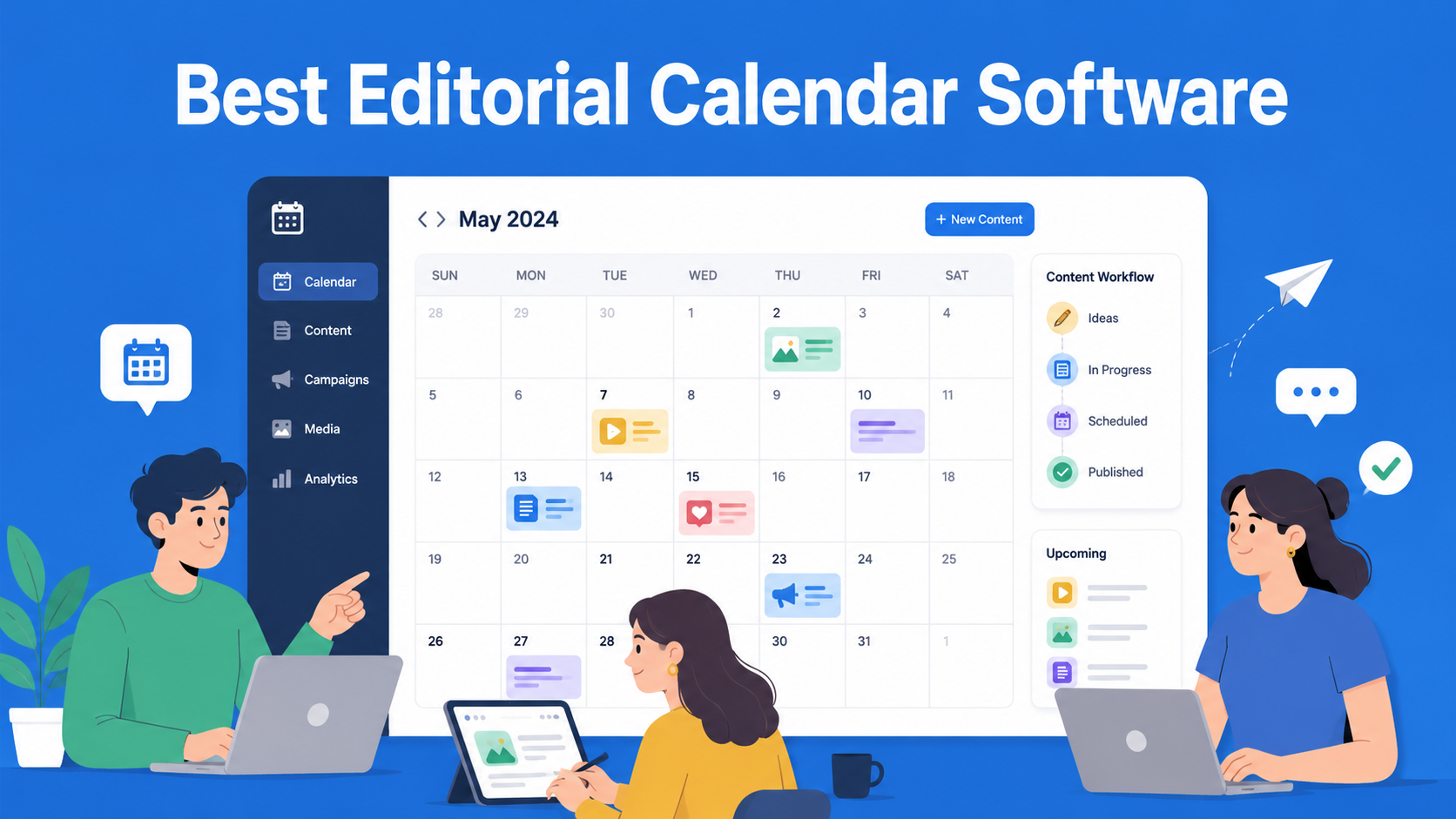
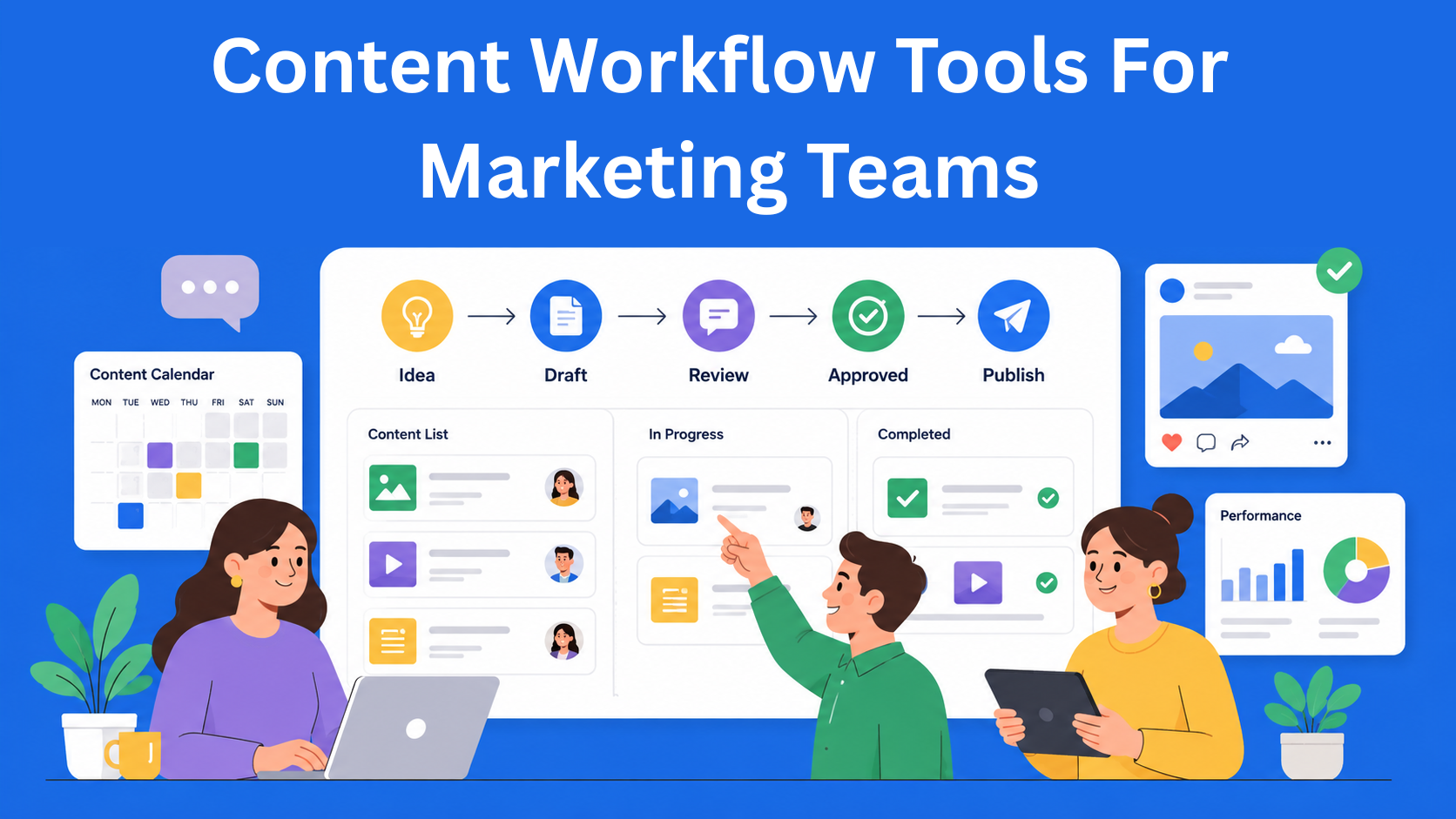
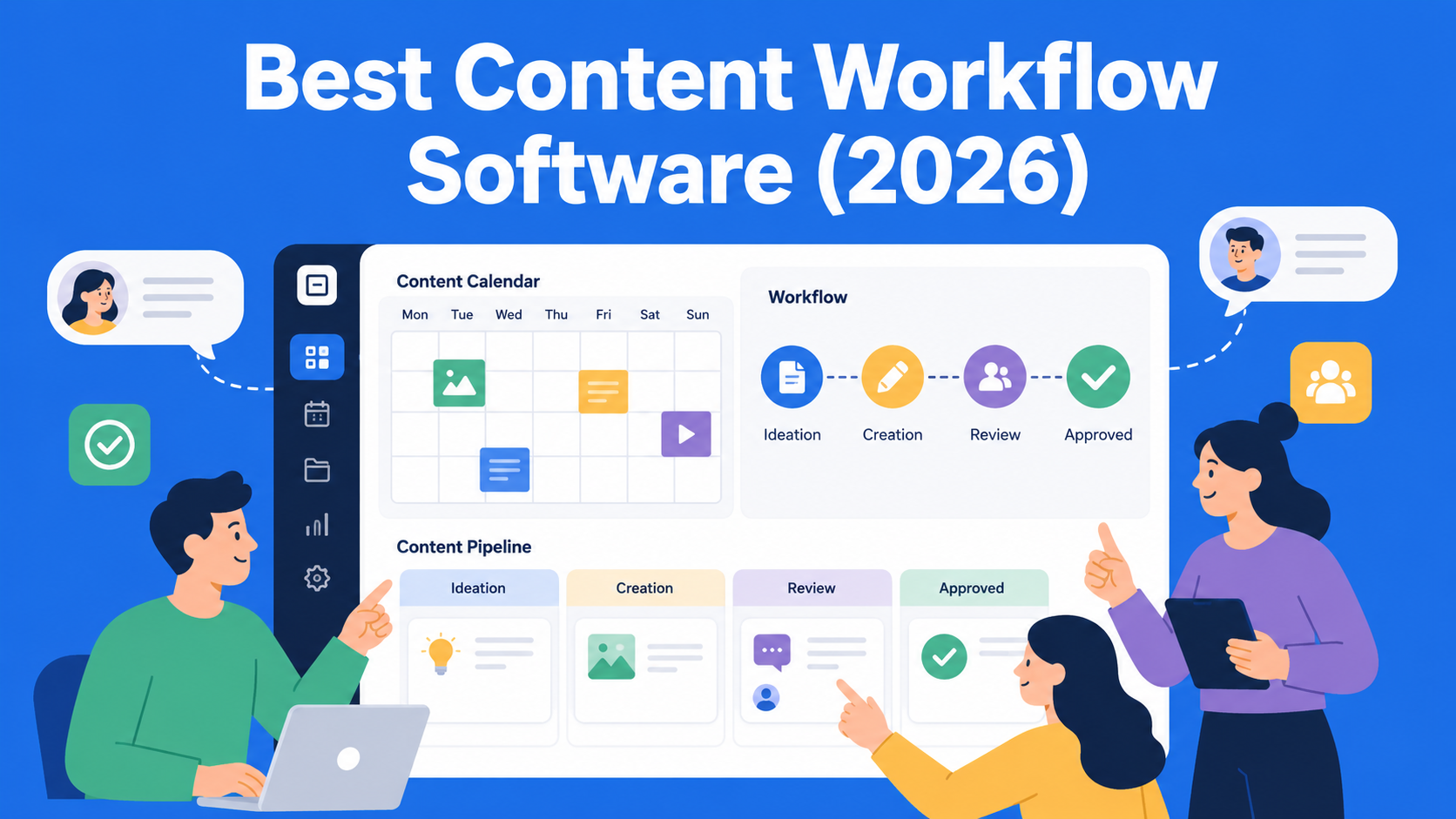
The Evolution of Content Management: What Will Shape 2026?
Discover how content management is evolving in 2026 - AI automation, headless CMS, omnichannel delivery, and smarter workflows. Learn what digital marketers and content teams need to stay ahead in a fast-changing landscape.

Five years ago, publishing content online looked something like this: someone writes a text in Word, sends it for review, the editor fixes the mistakes, and the text gets published on the website. End of story.
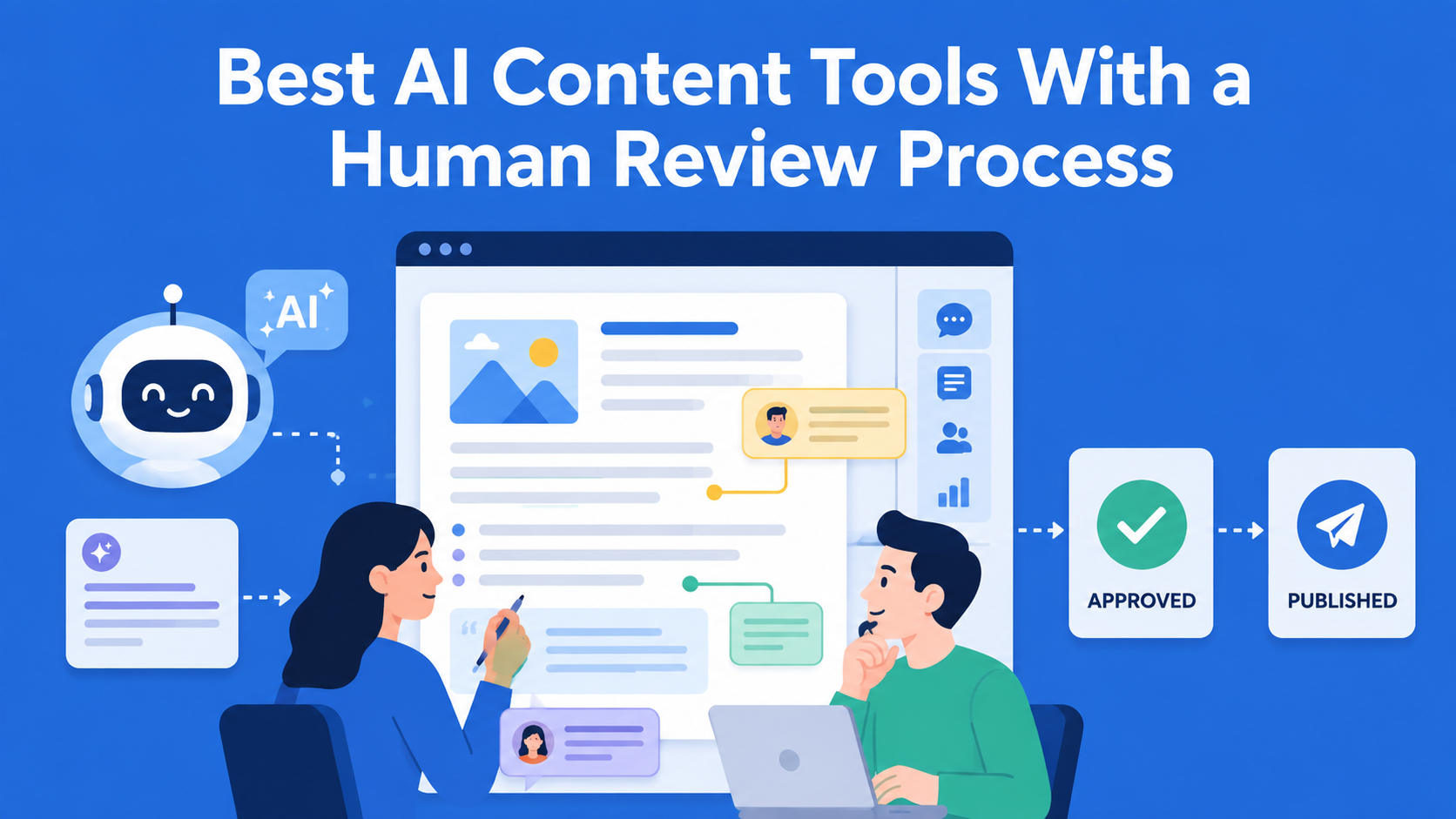
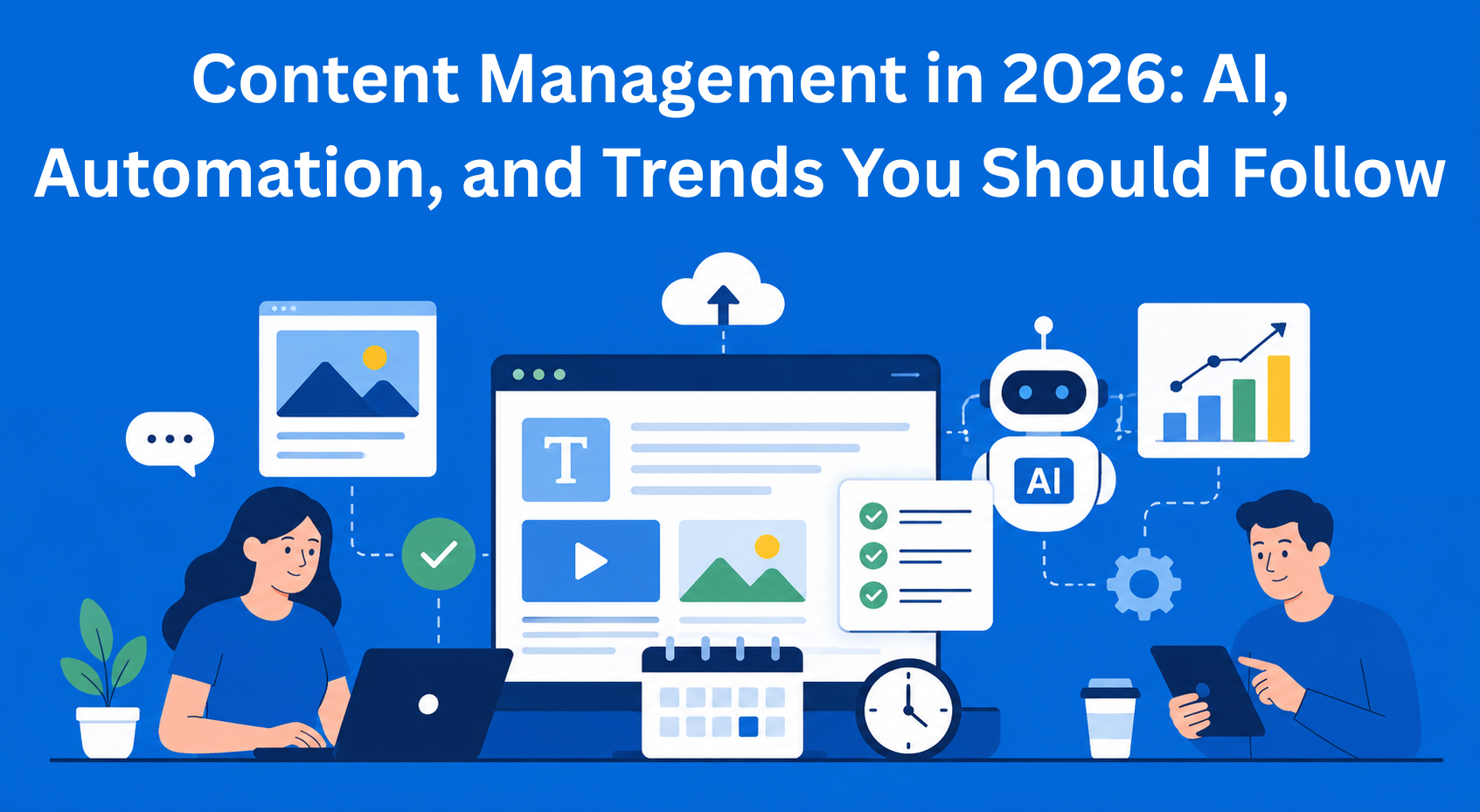
Today, that same process can look completely different. Artificial intelligence suggests topics, writes first drafts, optimizes headlines, translates content into five languages, and publishes it automatically at the right time, while a person simply reviews everything and decides what will finally be published.
Content management has changed a lot over the past few years. And in 2026, those changes are becoming even more visible and important. In this article, we will explain what exactly is changing, why it matters, and what it means in practice.
Key Takeaways
- Content management has evolved into a blend of strategy, collaboration, automation, and analytics-simple CMS systems no longer cut it.
- AI and automation streamline content creation, approvals, and optimization-saving time and boosting output quality.
- Headless CMS and omnichannel distribution are essential to reach modern audiences across platforms efficiently.
- Personalization and performance tracking are no longer optional-data-driven strategy and adaptive content are must-haves.
- Teams need secure, compliant, and collaborative tools to thrive in remote-first, multi-stakeholder environments.
What It Looked Like Before vs. What It Looks Like Today
For many years, companies used CMS platforms like WordPress to manage images and pages on their websites without programming.
But WordPress and similar tools started falling behind because content is no longer published in just one place. Today, a company needs website content, social media posts, newsletters, maybe even podcasts or videos, all at the same time and adapted for each channel separately.
The problem is that these kinds of tools were built for a simpler way of working, one website, one type of content, and a small team. Today, companies need something more flexible that can support multiple channels and different content formats.
That is why more and more companies are using so-called “headless” platforms. These are platforms where content is stored in one place and can then easily be displayed wherever it is needed, on a website, in an app, on social media, or across other channels.
AI in Content Writing: What Is Real and What Is Just Hype
There is probably no topic mentioned more often in content marketing today than artificial intelligence. And it makes sense, tools like ChatGPT, Claude, and specialized platforms such as Jasper and Writer have changed the way teams work.
But let’s be honest about what AI can actually do and what it cannot do.
What AI Does Well:
- Quickly writes first drafts of content
- Suggests headlines and content structures
- Adjusts text to different tones of voice
- Translates content into other languages
- Creates shorter versions of long-form content
What AI Cannot Replace:
- The experience and expertise of the author
- Original real-world examples
- Brand voice and identity
- Checking whether the information is accurate
The key difference between successful teams is not whether they use AI or not, it is how they use it. Teams that use AI as an assistant to speed up processes and handle repetitive tasks are far more successful than those trying to use it as a replacement for people.
For example, instead of spending hours gathering information for an article, AI can do a large part of that work in just a few minutes. After that, people can spend more time writing high-quality and useful content.
Automation: Less Manual Work, More Time for Important Things
Content automation may sound complicated, but the idea is actually simple, tools and systems handle repetitive tasks instead of people in order to save time and make work easier.
Here are some things you can automate:
Automatic Scheduling
You finished writing a post? The system can automatically determine the best time to publish it based on data about when your audience is most active.
Multi-Channel Distribution
A blog post can automatically be turned into a shorter LinkedIn post, an even shorter Instagram version, and then sent through a newsletter, all with just one click.
Tagging and Categorization
The system can automatically recognize what the content is about and assign the right tags without anyone manually reviewing every article.
Reports and Analytics
Instead of someone manually creating Excel reports every week, the system can do it automatically and send the report directly to your inbox.
Today, this is nothing unusual. Even small teams with smaller budgets use tools that automate a large part of their work. There are platforms that connect different tools together and help automate many tasks without any programming.
Because of this, small teams today can do much more work than before and achieve results that once required far more people.
Personalization: Content That Feels Like It Was Made for You
You have probably noticed this before: you open a website, and suddenly you see content that feels like it was written specifically for you. It recommends topics you care about, shows products you already looked at, and speaks in a tone that matches your preferences.
That is not a coincidence, that is content personalization in action.
In 2026, personalization is becoming something that almost every website and company will use. Today, even smaller companies can show personalized content to different users because these tools have become more available and affordable.
At the same time, the way companies collect data is changing. In the past, many companies relied on data collected by other platforms, but that is slowly disappearing. Now, companies rely more on data that users willingly leave on their own websites, which is more transparent and better for user privacy.
SEO in 2026: Google Is No Longer the Only Place
When people say “SEO” (search engine optimization), most people immediately think of Google. And Google is still important. But 2026 is bringing something new: AI search engines.
More and more people are no longer typing searches into Google. Instead, they ask ChatGPT, Perplexity, or use Google’s AI Overview and get answers instantly without clicking on websites. That means fewer visitors are coming to websites through traditional search.
So what does that mean if you have a website or a blog?
AI needs to “recommend” you. When someone asks AI “what is the best content management tool,” the AI gives an answer based on what it has read online. If your content is clear, expert-level, and well-structured, there is a much higher chance that you will be mentioned.
This is called GEO (Generative Engine Optimization), optimization for AI search engines, not just Google.
What Actually Helps:
- Clear and structured content (headings, subheadings, lists)
- Answering specific questions directly and clearly
- Content that shows real expertise instead of generic information
- Technically clean websites with Schema markup (metadata that helps AI understand your content)
Trends Defining 2026
Besides AI and automation, there are several other trends shaping the way companies approach content this year.
Video Continues to Grow
Short-form video formats like Reels, TikTok, and YouTube Shorts are no longer just entertainment, they are becoming serious B2B channels as well. Companies that once relied only on written content are now experimenting with video tutorials, explainers, and interviews. At the same time, interest in longer educational video content is growing because audiences are looking for something deeper than hype.
Interactive Content
Instead of just reading text, people increasingly expect content that does something. Calculators, quizzes, and tools that users can interact with directly inside an article all increase the amount of time people spend on a website and the value they get from it. Interactive content is becoming an important part of modern content strategy.
Brands Becoming Media Companies
More and more companies are no longer thinking about blogs as just marketing tools. Instead, they are building full media ecosystems, newsletters with thousands of subscribers, podcasts with loyal audiences, and communities built around topics where they have expertise. This is not cheap or fast, but companies that invest in this approach often build much more loyal audiences than those relying only on ads.
How to Prepare: Practical Steps
If you are reading this and wondering, “Okay, but what should I actually do?”, here is a short guide.
1. Audit Your Tools
When was the last time you checked whether the tools you use for content are still relevant? Is there a better and more modern tool that could save you time?
2. Use AI as an Assistant, Not as a Boss
Try using an AI tool for one specific task, for example, writing first drafts or suggesting headlines. See where it saves time and where the content still needs a human touch.
3. Standardize Your Publishing Process
Write down or map out exactly how one piece of content moves from idea to publication. Where is time being lost? What parts of the process can be automated?
4. Adapt Your Content for AI Search Engines
Review your most important content. Does it clearly answer specific questions? Is it structured with headings and subheadings? Is there a section where you directly answer the main question from the title in one or two sentences?
5. Think About Format
What kind of content does your audience actually consume? Text, video, audio? Maybe it is time to experiment with a format you have not tried before.
Conclusion
Some people claim that the era of written content is over, that AI writes better than humans, and that nobody reads anymore. That is simply not true.
Content that helps people, clearly explains things, answers real questions, and comes from someone who genuinely understands the topic is more valuable than ever. The only difference is that today it needs to be done more intelligently: using better tools, understanding where audiences spend their time, and being ready to adapt to rapid changes.
Content management in 2026 is not really a story about technology as much as it is a story about approach. The tools you use matter less than how you use them, and why.
Agencies choose EasyContent to run client content work
- Clients approve pages through a shareable link, with a free guest account instead of a paid seat
- Every edit is tracked Word-style, so feedback never gets lost in an email thread
- The approval trail stays with the page itself, easy to find later
- Every approval round is saved to the item's version history