Financial Services Content Compliance: The Marketer's Complete Guide
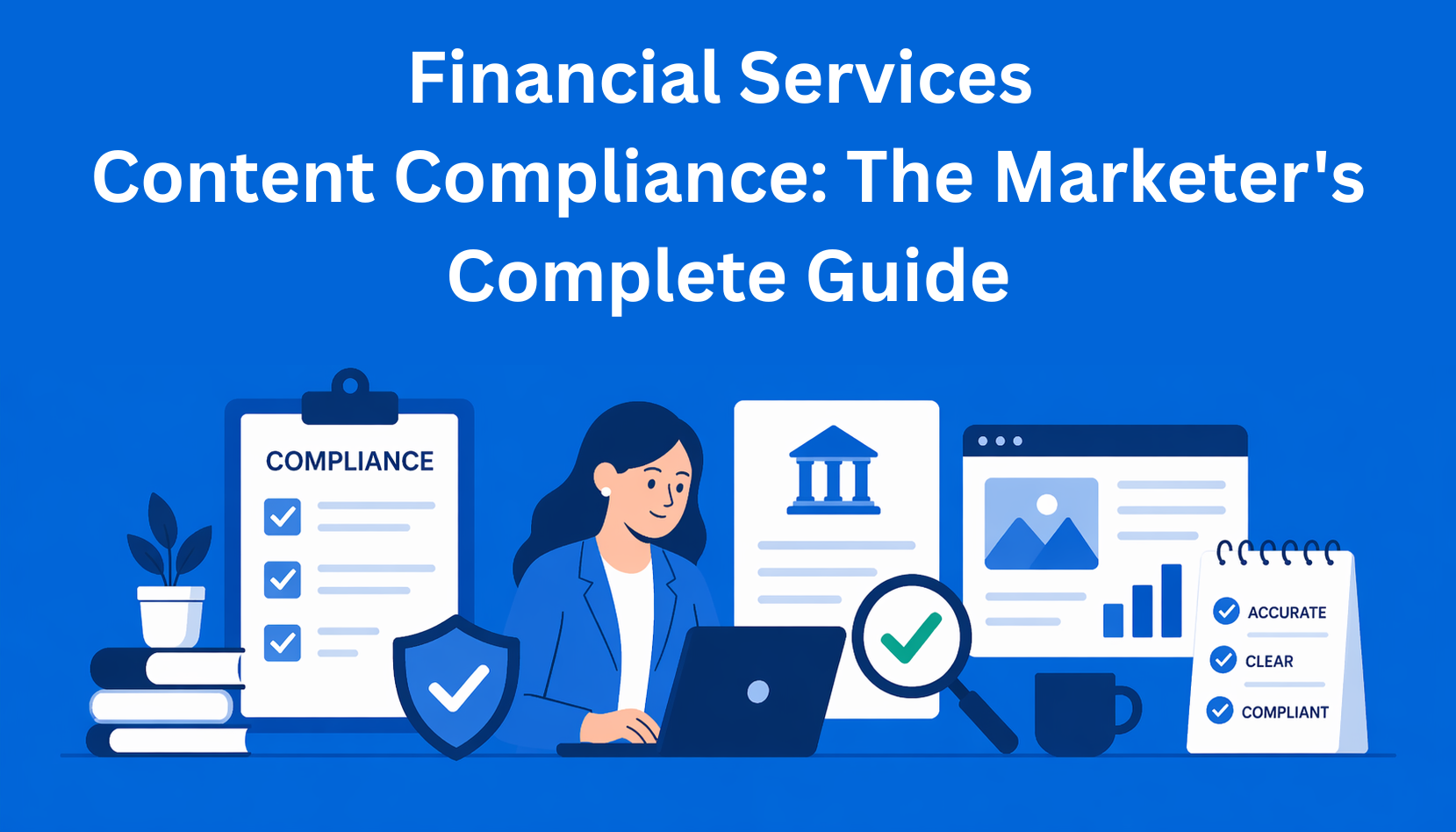
Financial services content compliance isn’t just for legal teams. It affects every blog post, ad, and social post you publish. Learn what you can and can’t say and how to set up a process that keeps your content accurate, clear, and safe.

If you do marketing for a financial company, there’s one thing you can’t ignore, the rules. They might seem like something only lawyers deal with, but that’s not really the case.
Financial services content compliance directly affects every text you write, every ad you create, and every post you publish.
The problem is that most teams only realize this when something goes wrong. And by then, it’s already too late.
This blog is here to prevent that.
Key Takeaways
- Financial content must always be accurate and compliant - misleading claims, missing disclaimers, and outdated data can lead to serious legal risks.
- Most compliance issues come from poor processes - lack of review, unclear ownership, and missing documentation cause the biggest problems.
- Disclaimers are essential across all channels - blogs, ads, emails, and social media must clearly communicate risks and limitations.
- AI-generated content requires strict human review - automation speeds up production but does not replace responsibility.
- Strong workflows and documentation ensure compliance - structured approvals, version tracking, and clear roles protect teams and build trust.
Who is watching and what they want
There are institutions that check what financial companies say to their clients. In the U.S., these are mainly the SEC (securities and investments), FINRA (brokers and financial advisors), and the CFPB (consumer protection). In Europe, it’s ESMA and local authorities in each country, and in the UK, the FCA.
Each of them has slightly different rules, but they all want the same thing: the content you publish must be accurate, clear, and not misleading.
What gets checked the most are investment advice, ads, and anything that mentions earnings or results. If you write “our clients earn 15% annually,” you need proof for that and you must clearly say that this doesn’t mean it will be the same in the future.
This applies to every channel, website, email, social media, video. Financial marketing has no exceptions depending on the platform.
Seven mistakes marketers make most often
Most problems in the content compliance process don’t come from bad intentions, but from lack of knowledge or rushing. Here are the most common ones:
Outdated data. The earnings you mentioned last year might not be correct anymore. If you didn’t update it, you have a problem.
No disclaimer. Every time you talk about results, returns, or forecasts, there must be a clear note that past results do not guarantee future results. Without it, you’re in violation.
Exaggeration without proof. Words like “best,” “safest,” or “guaranteed” are risky if you can’t prove them.
Mistakes in influencer collaborations. If you pay someone to talk about your product, it must be clearly marked as a paid partnership. Small text at the end is not enough, it must be visible.
Problems on social media. Short formats like Instagram Stories or TikTok don’t mean you can skip the disclaimer. It has to be there too.
AI content without review. If you use AI to write content, someone from the team must read and check it before publishing. AI can write something that sounds correct, but actually isn’t.
No documentation. If someone asks who approved a piece of content and when, you must know. If you don’t have a record, you don’t have proof.
Disclaimers - what must be included and where
A disclaimer is a short note that tells the reader there are limits or risks related to the information they are reading. In finance, investment content without a disclaimer is like driving without a seatbelt, you might get away with it, but the risk is huge.
Here’s what needs to be included depending on the type of content:
- Blog posts and articles: If you write about investments, returns, or financial products, you must include a note at the end saying the content is not financial advice and that past results do not guarantee future returns.
- Email campaigns: Same rules as blogs, plus it must be clear who is sending the email and how the recipient can unsubscribe.
- Ads: Any ad that mentions returns or results must have a visible disclaimer, not tiny text nobody can read, but something clear.
- Video content: The disclaimer must stay long enough for people to read it. It must not disappear in a second.
It’s best to write clearly and directly: “Past results do not guarantee future returns.” Problematic sentences are things like “Earnings are almost guaranteed” or “Risk is minimal”, these should be avoided.
How to organize the process in your team
The most common reason companies have compliance problems is not unclear rules, it’s the lack of a good internal process.
A good process looks like this:
When a content strategist or copywriter starts working on something, the brief should already include what is allowed and what is not for that type of content. This means you don’t think about rules at the end, but from the very beginning.
Before publishing, every piece goes through a review. This includes marketing (does the message make sense?), legal or compliance (is it aligned with the rules?), and sometimes senior management.
Save every version of the document. If someone asks who approved the ad and when, you need to be able to show it immediately.
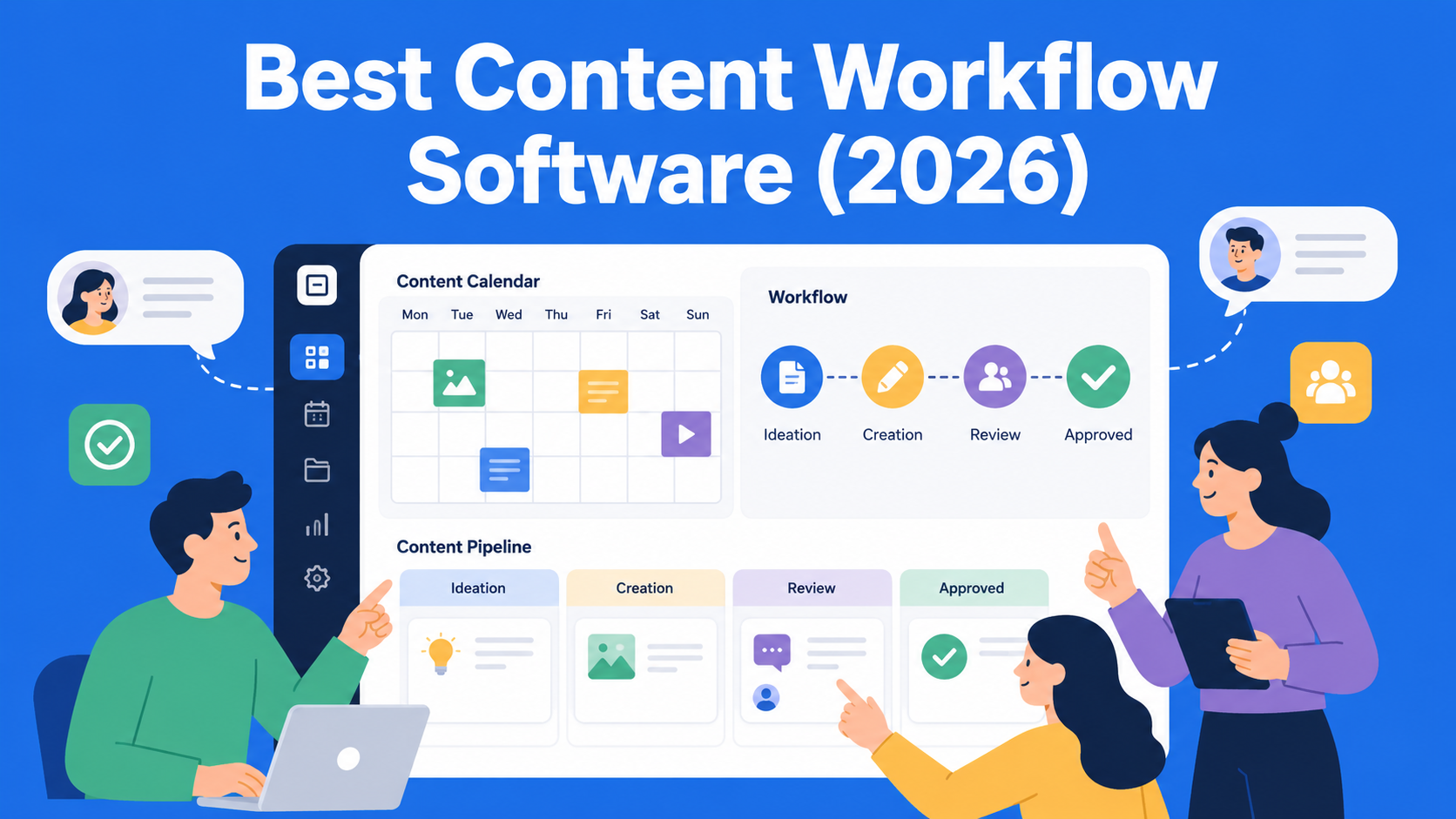
This process doesn’t have to be complicated. It can be a simple Excel sheet or a Trello board, what matters is that it exists and that people follow it. Or, if you want something more advanced and you work in a team, you can use EasyContent, where you can create briefs with all key information for writers, build your own workflow, assign roles, keep all content versions in one place, create templates for any type of content, and much more.
Social media and new channels
Social media is tricky in financial marketing because everything moves fast and it’s hard to control. The same rules apply there as everywhere else.
Short formats like Reels or TikTok videos don’t remove the need for disclaimers. If you mention returns or results in a 30-second video, the disclaimer must be there, whether it’s text on screen or something said out loud.
If employees share company content on their personal profiles, you must clearly explain what they can and cannot say. One mistake can create problems for the whole company.
The same applies to chatbots and AI on your website. If they provide information about financial products, that information must be accurate, just like any other content.
AI in financial marketing - what you need to know
More and more teams use AI to create content, and that’s fine. But there are specific risks when it comes to compliant content.
AI doesn’t always know the latest rules. It can write something that sounds good but is not accurate or not allowed. That’s why every AI version must be checked by a human before publishing.
Also, companies should document how they use AI in content creation. This means recording which tool was used, who reviewed the text, and when it was approved. This is not just good practice, more and more institutions now require it.
AI can help with writing, but responsibility stays with humans.
How to build a culture where compliance is not the enemy
Many marketers think rules are a blocker. Every piece needs approval, it takes time, and ideas often get cut down. That can be frustrating, but it’s the wrong way to look at it.
Financial content marketing that follows the rules builds trust. When a company doesn’t exaggerate or promise the impossible, people trust it more. And more trust means more sales.
How do you do this in practice? Start with training. Everyone who writes or approves content should know the basics, not the full legal text, but clear, practical guidelines for their job.
Track how many mistakes pass through review. If there are many, the problem is not the people, it’s the process or unclear responsibilities.
Mistakes will happen, so you need a plan. Who contacts the authorities? Who removes the content? Who explains the situation to clients? If you know this in advance, you’ll handle problems much faster.
Conclusion
Companies that treat compliance in financial marketing as something that protects them, not slows them down, perform better in the long run. Clients trust them more, authorities bother them less, and teams work with less stress.
Next step: review the content you published in the last year. Ask yourself: would every piece pass a review today? That answer will show you where to start.
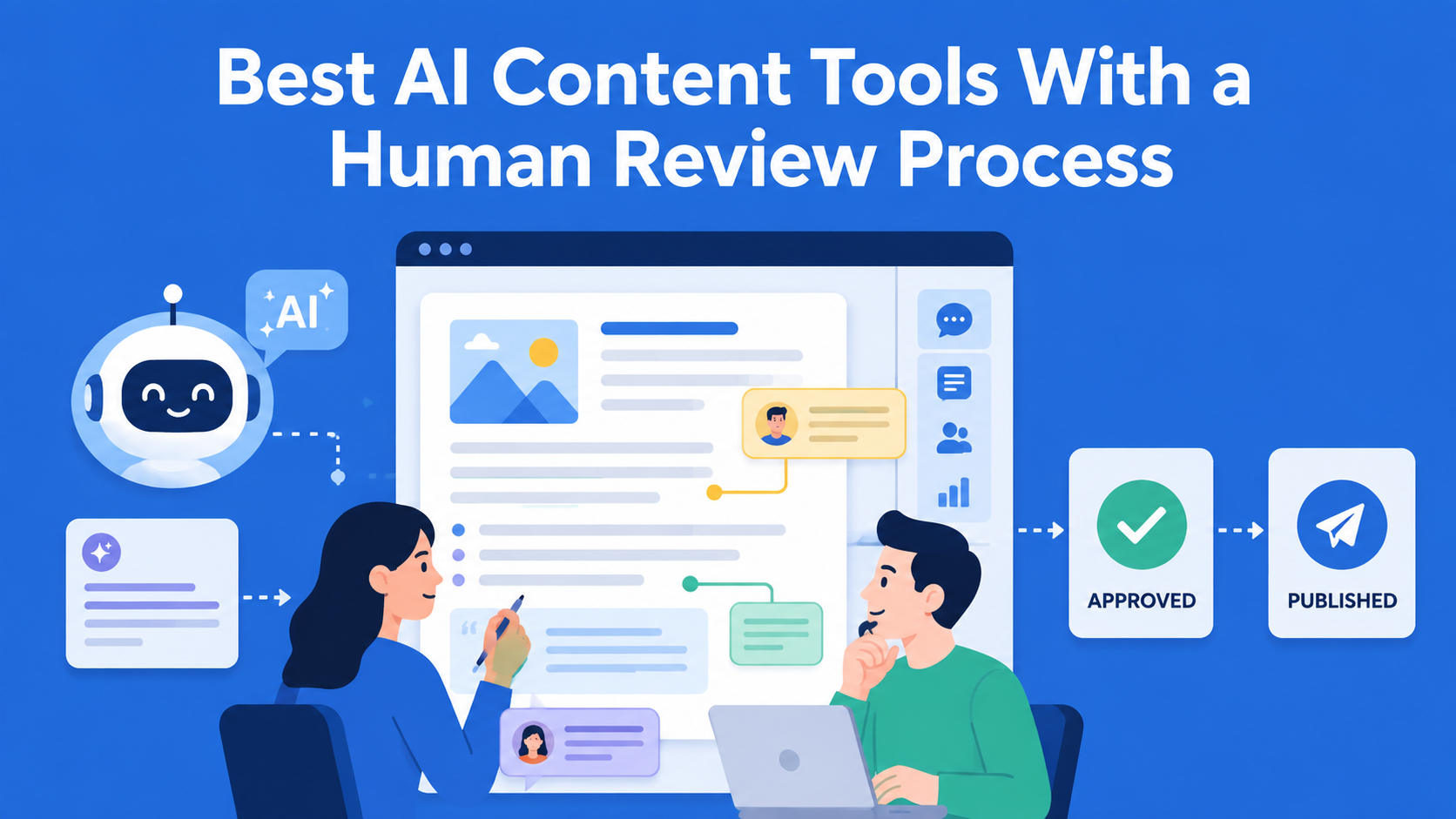
EasyContent applies AI to your content without bypassing your review process
- EasyAI drafts and edits inside the same workflow your team already reviews content through
- Style guide rules apply automatically to anything AI writes or edits
- Every AI change is reviewed by a person before it's accepted
- AI can be restricted to specific projects or team members