How to Scale Blog Content Production Without Sacrificing Quality
Scale blog content production without losing quality. Learn how to build a repeatable system, streamline your workflow, use AI the right way, and publish consistently without turning your content into something generic or low-value.


Writing one good blog post is not the problem. The problem starts when you need to write two, three, or five posts per week, and make each one just as good as the first.
Most teams hit the same wall at some point: either they speed up production and quality drops, or they keep quality high but can’t publish often enough. It feels like you can’t have both.
But you can. You just need the right system.
In this article, we’ll go through practical steps on how to scale blog content production, without your content becoming generic, boring, or useless to the reader.
Key Takeaways
- Scaling content requires fixing the process, not just writing faster - bottlenecks usually come from planning, approvals, and coordination.
- Repeatable systems enable consistent quality at scale - briefs, voice guidelines, and SEO checklists align all contributors.
- A mix of in-house and freelance writers works best - combining internal knowledge with external flexibility supports growth.
- AI accelerates production but needs human input - use it for structure and ideas, while humans add depth and originality.
- Repurposing and organization multiply output - one piece of content can power multiple formats when supported by a clear system.
First, look at what you’re currently doing
Before you start changing anything, you need to understand how your current process works.
Take a piece of paper (or open a document) and write down every step that happens from the moment you get an idea for a post to the moment you publish it. Who does what? Where do things wait? Where do they get stuck?
In most cases, the problem isn’t the writing itself. The problem is everything around writing, finding topics, doing research, waiting for approvals, making revisions. These are the places where time gets lost.
Once you see where your time is going, you can start solving the real problem. Content production doesn’t speed up by writing faster, it speeds up by removing everything that slows you down.
Build a system you can repeat
Think about how a factory works. Every product goes through the same steps, in the same order, every time. The result is predictable and consistent.
Blog production can work the same way.
Here’s what you need:
- Content brief template - a document every writer gets before they start writing. It includes: topic, target audience, keywords, content length, tone, and what the reader should learn or do after reading. This way, everyone starts from the same point.
- Brand voice guide - a short explanation of how your brand “sounds.” Are you formal or casual? Do you use jargon or avoid it? This is especially important if multiple people are writing for the same blog.
- SEO checklist - a list of things every piece must include before publishing: title, meta description, image alt tags, internal links, and of course, keywords in the text. Not as a list at the end, but naturally integrated into the content.
When you have this system, every new writer can get up to speed quickly. No more wasting time explaining the same things over and over again.
Build the right team
One person can’t do everything. Or they can, but not quickly and not for long.
When you think about who should create your content, you have three options: in-house team, freelancers, or a mix of both. For most companies, a mix is the smartest choice.
In-house team members know the brand from the inside, understand the product, and can make decisions without constant supervision. Freelancers bring flexibility, you hire them when there’s work, and you don’t pay them when there isn’t.
But what matters just as much as who is writing is how you bring them in. Onboarding (introducing new writers) needs to be fast and structured. Give them examples of good content, explain who they are writing for, and let them write a test piece before they start real work.
When everyone on the team understands what is expected, scaling your content strategy becomes much easier.
Use AI as a helper, not a replacement
AI is now everywhere in content work. And that’s a good thing, if you use it the right way.
It can save you a lot of time on tasks that take effort but don’t add much value: helping with ideas, creating a first draft, shortening long texts, or fixing grammar. It’s very useful for that.
But it can’t do everything. It can’t tell your story, your experience, or sound exactly like you. That part still has to come from a human.
A good workflow looks like this: AI creates the skeleton, the human brings it to life.
For example, you ask AI to create an outline and suggest relevant SEO keywords. Then the writer takes that outline and builds the content around it, adding real examples, personal experience, and a specific angle that makes the content worth reading.
This way, you speed up production while keeping quality high.
Repurposing - one piece of content, multiple formats
This is one of the most underrated strategies in blog content creation.
When you write a good 1500-word article, it doesn’t have to live only as a blog post. You can turn the same content into:
- LinkedIn post (key points from the article)
- Newsletter (short intro + link to the full article)
- Short video or reel (one specific lesson from the content)
- Infographic (a visual version of steps or a process)
- Twitter/X thread (each step as one tweet)
Five different pieces of content from one article. Same work, multiple results.
This is especially useful for evergreen content, content that isn’t tied to current news and stays relevant for years. You can update these pieces with new data and promote them again as if they were new.
Use an editorial calendar and organization tools
If everything is in your head or on a random piece of paper, that’s the problem.
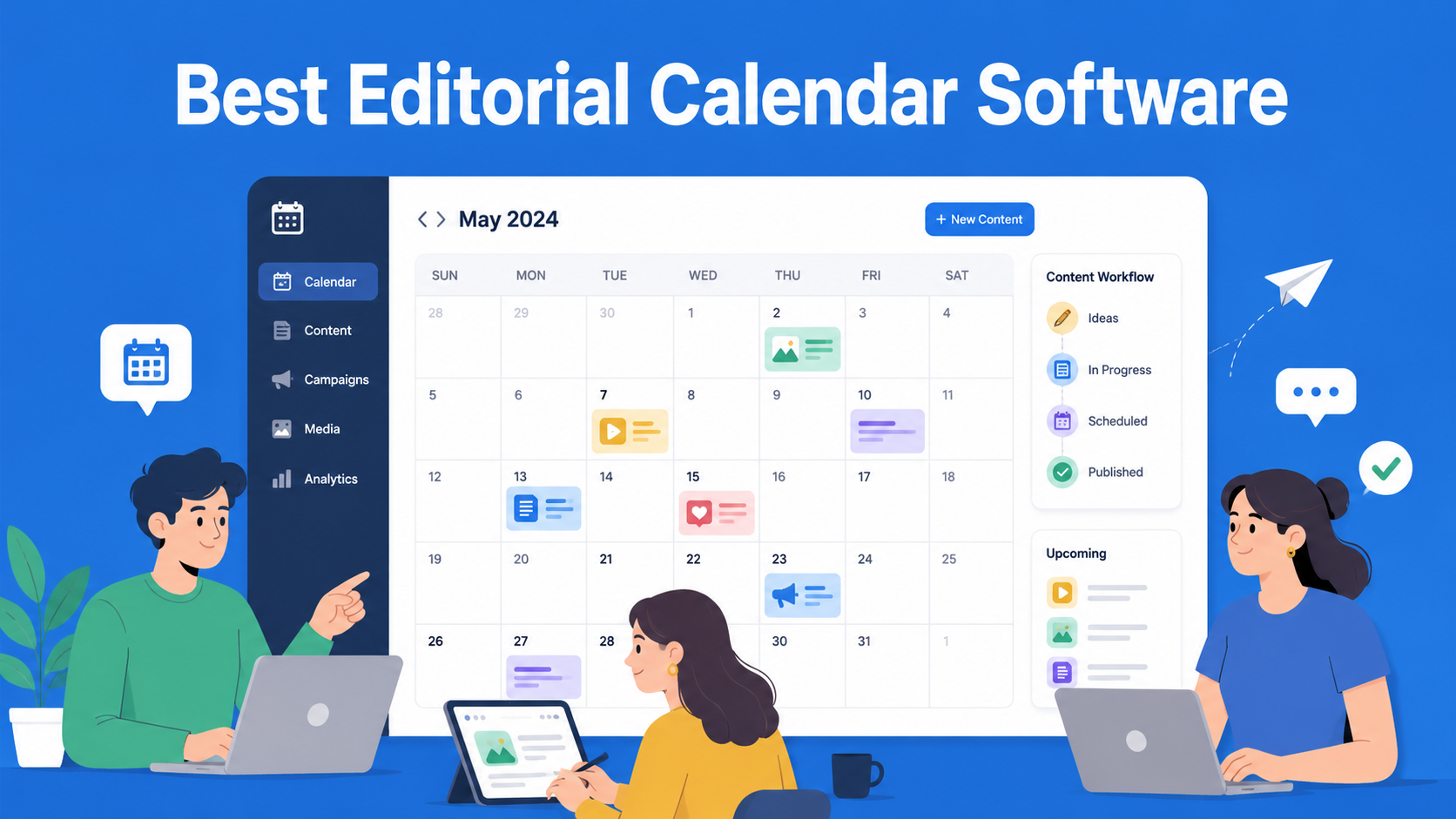
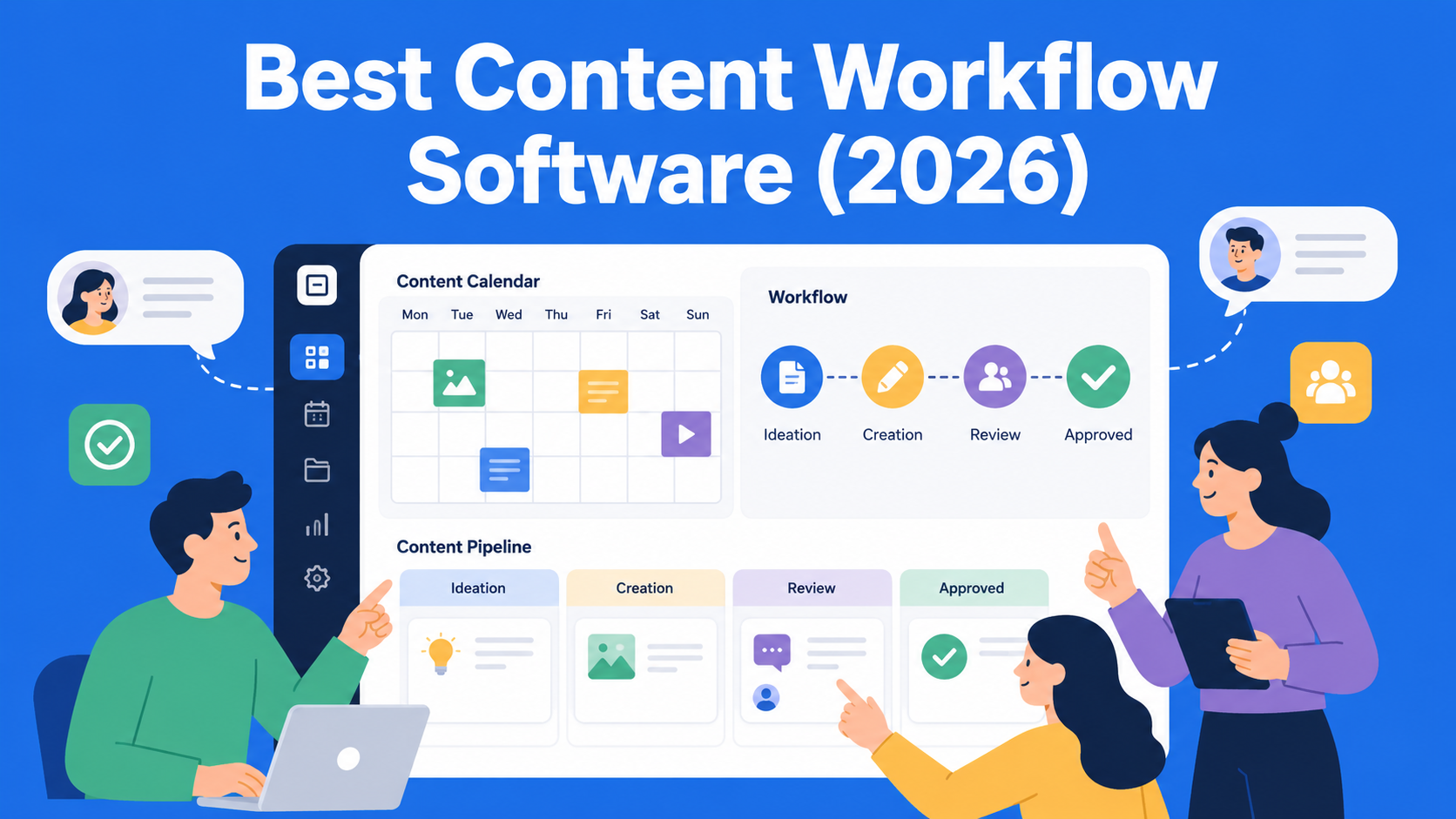
An editorial calendar (publishing schedule) is the foundation of any serious content strategy. It shows what is being published, when, who is responsible, what stage the content is in, and what the deadline is.
Tools like EasyContent, Trello, Asana, or CoSchedule make this much easier. They’re not expensive (many have free versions), and the difference in organization is huge.
One simple technique is batch writing, instead of writing a little every day, set aside 1–2 days per week just for writing. Use the rest of the time for research, editing, and planning. This helps you stay focused and work faster.
It’s also important to have a clear deadline. Without one, content drags on for days or weeks. When there is a deadline, it gets done.
Set quality standards, not just deadlines
Speed without standards is not the goal. The goal is both speed and quality.
Before any piece of content is published, it should go through at least two “filters”:
Filter 1 - Writer: Did I say what I wanted to say? Is the structure clear? Does it have an introduction, body, and conclusion? Did I include keywords naturally?
Filter 2 - Editor: Does the content sound like our brand? Are there any mistakes? Do the title and meta description match the content? Is the content actually useful for the reader?
These steps don’t have to take long. An experienced editor can review a piece in 15-20 minutes. But without them, mistakes slip through, and mistakes cost you.
On top of that, track the basic numbers for each piece: how long people stay on the page, whether they leave quickly, and where the content shows up on Google. This clearly shows what works and what doesn’t.
The point of scaling is not to publish more at any cost, it’s to publish more of what actually brings results.
Conclusion
Scaling blog content production without losing quality is not a myth. But it’s not accidental either.
It happens when you have a system: clear processes, the right people, good tools, and standards you stick to even when you’re under pressure.
Start with the first step from this article, audit your current process. That step alone will show you where you’re losing time and energy.
When you see the problem clearly, the solution becomes much easier.
EasyContent structures content the way a large website is actually built
- A hierarchy view organizes pages the same way they'll sit on the live site
- Templates enforce the required fields each department already expects, with recommended limits shown as a guide
- Custom structures handle the one-off page a template was never built for
- Bulk creation gets a large page set started without building each one by hand