White-Label Content Collaboration: How Agencies Can Brand Their Client-Facing Workflow
White-label content collaboration lets you scale content production without hiring a bigger team. Keep clients under your brand, increase profit, and deliver more content, without extra stress or losing control of quality.

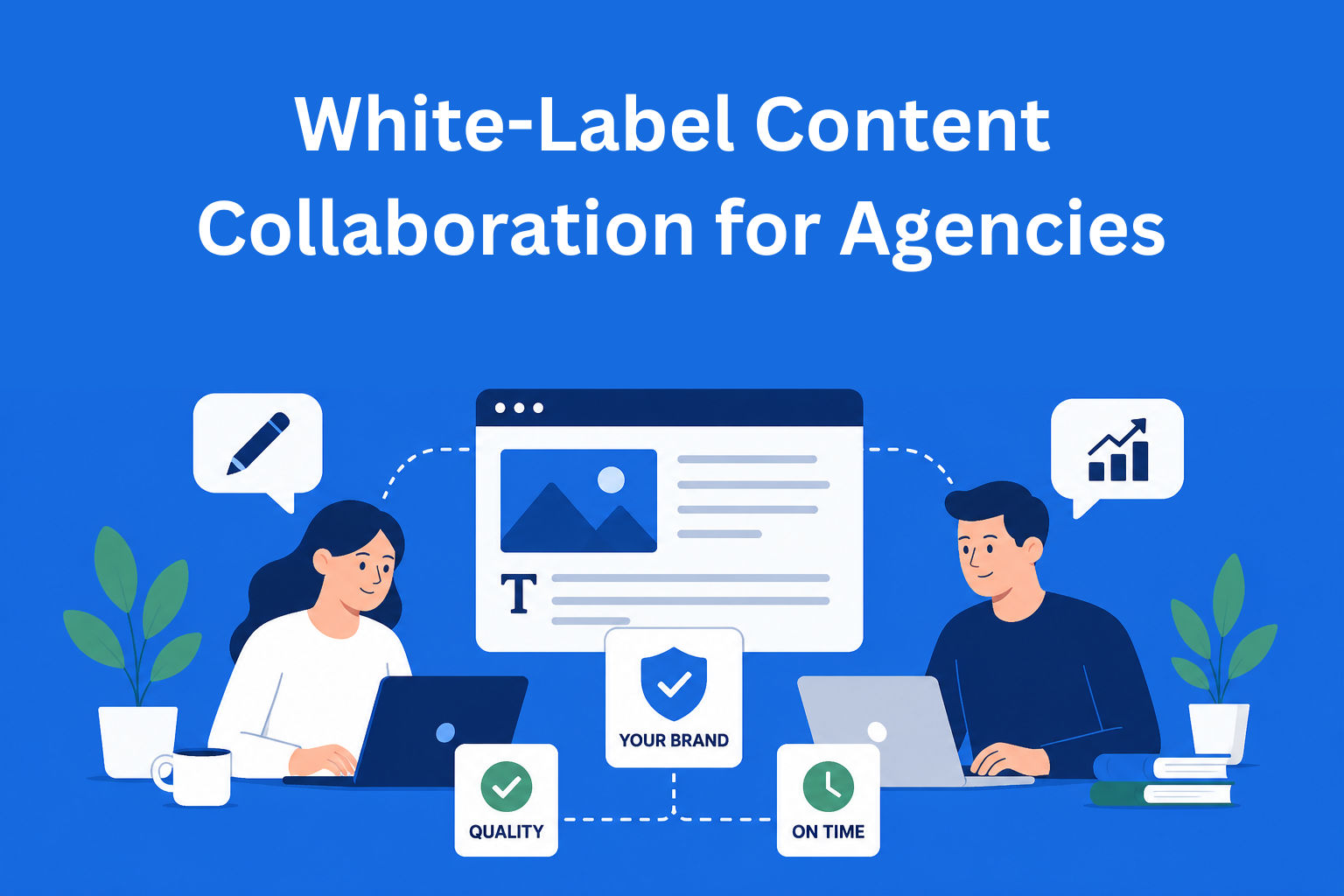
When an agency starts to grow, clients ask for more and more content - blog posts, social media posts, emails, video scripts. You would gladly take the work, but you don’t have enough writers, editors, or time to keep everything under control. That’s where white-label content collaboration comes in.
It means that someone else writes and creates content for you, but the client never sees that it’s coming from the outside. Everything they receive looks like your agency did it - your logo, your tone, your emails, your portal. You keep the relationship with the client, earn more, and don’t have to hire a big team.
In this blog, we'll explain what this is, why more and more agencies are doing it, and how you can make the entire process the client sees fully your own.
Key Takeaways
- White-label collaboration enables agencies to scale faster - external partners handle production while the agency keeps client relationships and control.
- The client experience must feel fully branded - portals, communication, and delivery should all reflect the agency, not external contributors.
- Clear processes ensure smooth collaboration - structured workflows for briefs, reviews, and delivery prevent confusion between agency and partners.
- Quality control is critical to protect your brand - brand voice guidelines and multi-step reviews ensure consistency across all content.
- Start small and scale once the system works - testing partners and refining the process reduces risk before increasing volume.
What is white-label content collaboration?
Imagine you have a client who needs 8 blog posts per month plus social media content. Instead of writing everything yourself or searching for freelancers every time, you find a partner who specializes in content writing. They do all the work - research, writing, and search optimization.
You don’t send anything from that partner to the client. No emails from them, no logos. Everything goes through you - your brief, your review, and your delivery. For the client, your team is doing all the work.
That’s the difference between regular outsourcing and a white-label approach. With regular outsourcing, the client often feels that something is “not yours.” With white-label - they don’t feel anything. Everything is under your brand.
Why are agencies choosing this more and more?
Because they want to grow without extra stress and complications.
First, you can take on more clients.
Second, the profit is higher. You charge the client an agency price, and you pay the partner less (a wholesale price). The difference stays with you.
Third, the client stays yours. They won’t go directly to the writer or another agency because they never even knew they existed.
Fourth, less stress for your team. No more worrying about who will write, who will edit, and how you will meet deadlines.
Of course, there are challenges. The biggest one is making everything look like you did it - same quality and style. That’s why you need a clear brand voice guide and a solid review process. Once you set that up, everything becomes easier.
How to make the entire process feel like it’s yours?
The point is simple: the client should feel like they are working only with you, not with multiple people behind the scenes.
1. Branded client portal
Don’t send the client emails and random links. Create one place where they can log in and see everything. There, they send briefs, review drafts, leave comments, and download final content. Everything is under your name, with no trace of an external partner.
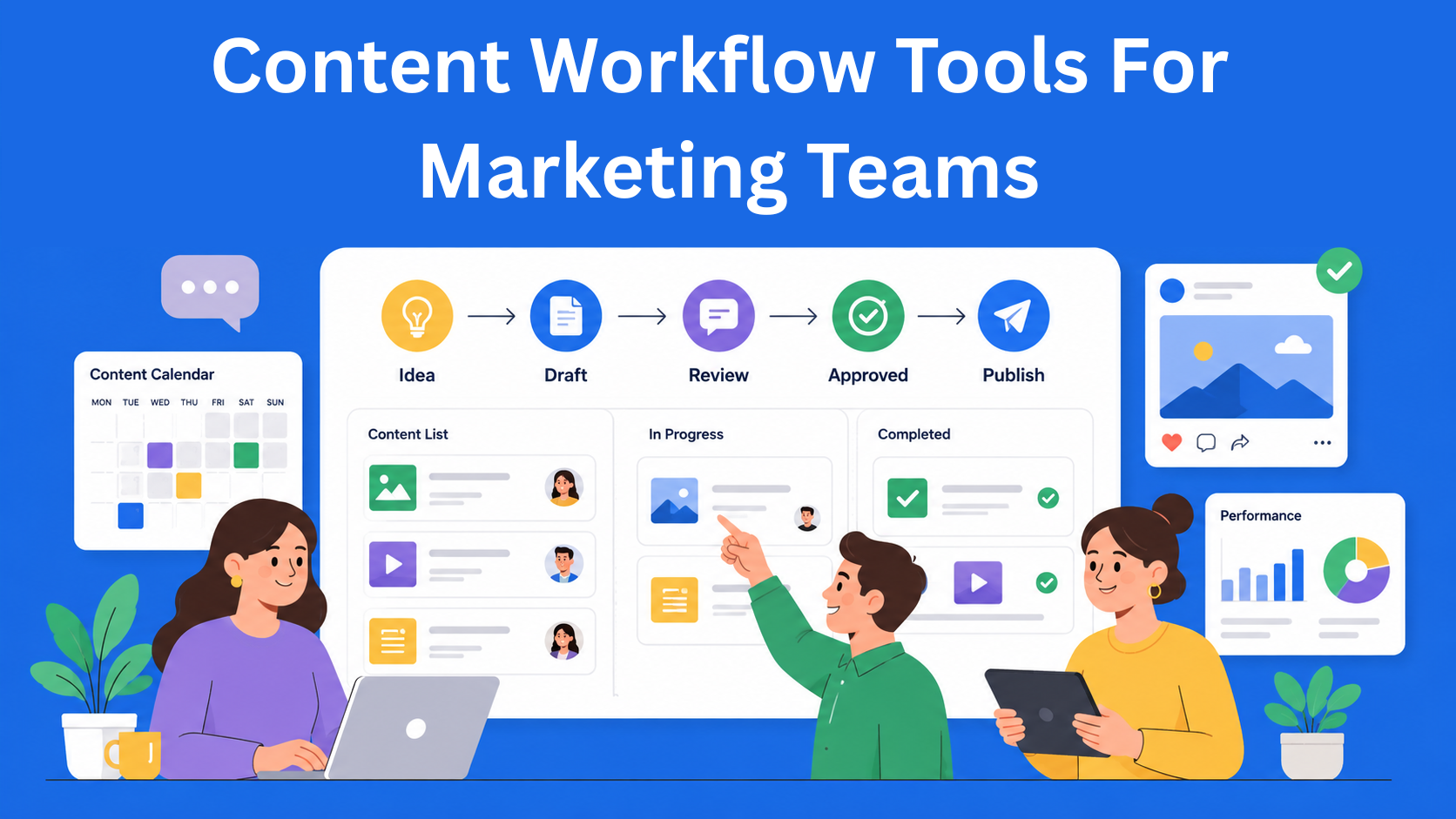
2. A step-by-step process that looks internal
Here’s how it usually works:
- The client fills out your branded brief (a template you created).
- You send the brief to your partner (they don’t have to see the client’s name).
- The partner sends the draft to you.
- You (or your team) review it, adjust the style, and send it to the client through your portal or email.
- The client leaves comments - you pass them to the partner.
- The final version goes to the client under your name.
You can automate parts of this with tools like Zapier, so you don’t have to move files manually.
3. Quality and consistency control
The key is that the partner understands exactly how you write. At the start, give them:
- A brand voice guide (formal, casual, with humor or without?)
- Examples of good and bad content
- Words and phrases you like or avoid
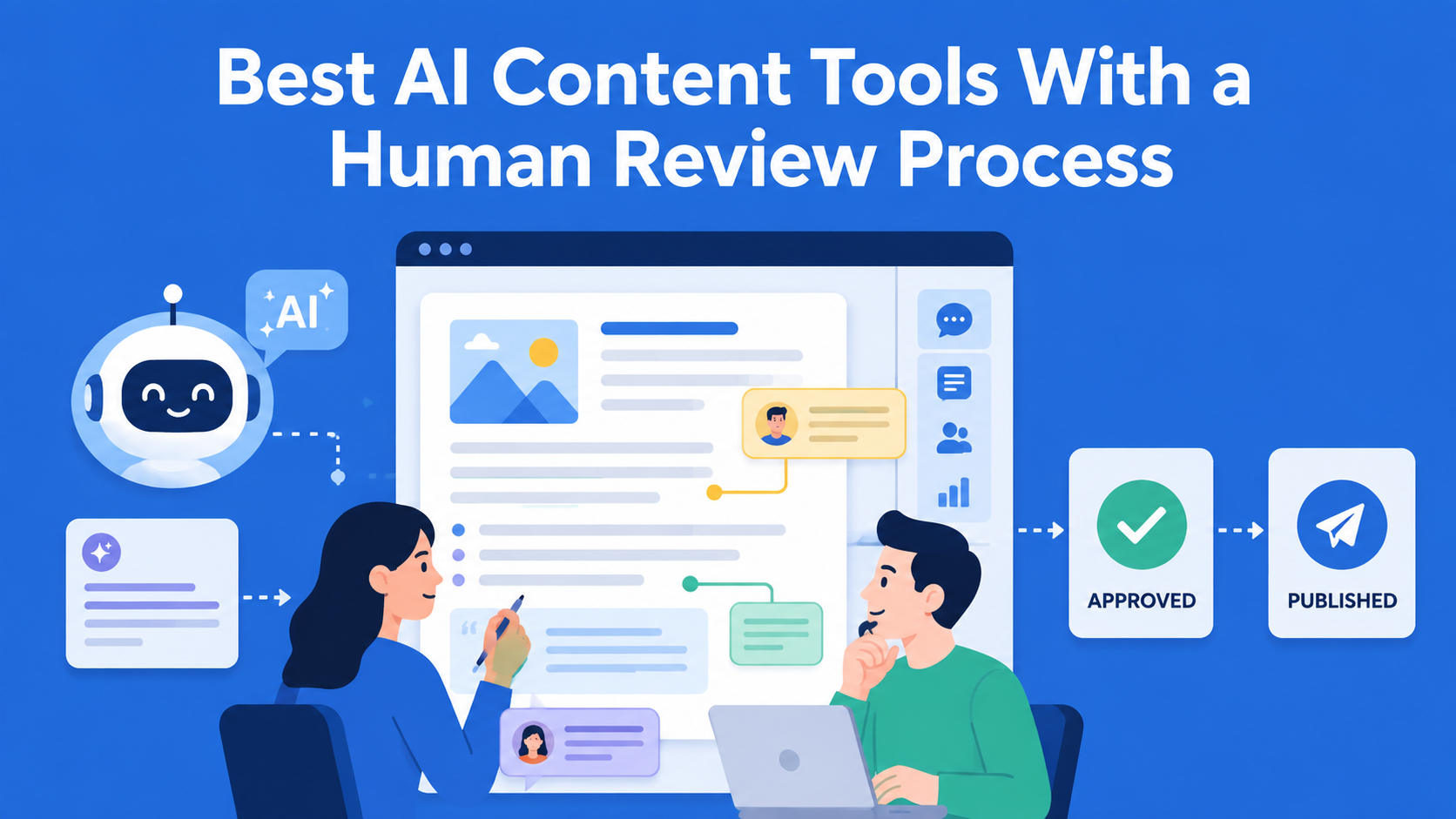
Then you use a multi-step review: partner → you (or your editor) → client. This way, nothing goes out unless it meets your standards.
Many agencies today also use AI tools trained on the client’s brand, so drafts are even closer to the desired style.
What tools can help you in 2026?
There are plenty of tools built for this exact use case.
For client portals and collaboration: Clinked, Moxo, or SuiteDash – easy to brand.
For project management: EasyContent (which, among other things, offers a white-label option, so even when you bring a client, they will still think it’s your platform), ClickUp, or Asana.
For reporting (so the client can see content performance): Reporting Ninja or DashThis – you send branded reports or give access to a dashboard on your domain.
For content itself: there are platforms with white-label options where the partner works, and you control delivery.
It’s important that you can use your own domain and remove their branding. Once you set that up, the client believes everything comes from you.
How to make this work properly
First, choose your partner carefully. Look for strong references from other agencies and a clear contract with NDA (confidentiality) and SLA (delivery and quality guarantees).
Second, explain clearly how you work. Show them how you write and start with a small test before going all in.
Third, don’t leave everything without control. Always review content before it goes to the client. In the end, it carries your name.
Fourth, track results. See if work gets done faster, if clients are more satisfied, if they request fewer edits, and if you keep more profit per client.
The most common mistakes are starting too fast with a large volume of content without testing, poor communication with the partner, and not checking style enough.
Conclusion
White-label content collaboration helps you look like a bigger and more professional agency while doing less operational work. The client sees one clear process under your name. You focus on new clients and strategy.
If you’re currently turning down work because of capacity limits, or your team is stuck writing instead of doing more strategic work - it’s worth trying.
How to get started?
- Define your brand voice and create a short guide.
- Find 1-2 potential partners and test them on a small project.
- Set up a simple process and tool (portal or folder structure) that looks like yours.
Start with a few pieces of content per month. Once you see it works, scale it up.
EasyContent gives agencies AI drafting that still needs a human yes
- EasyAI Writer can generate a full first draft from a topic and a few keywords
- It can research the web for current information before drafting
- Every suggestion is reviewed side by side with the original, never applied silently
- AI credit packs can be added anytime and never expire